

How to Navigate Maternity & Paternity Leave in Madagascar as an Employer
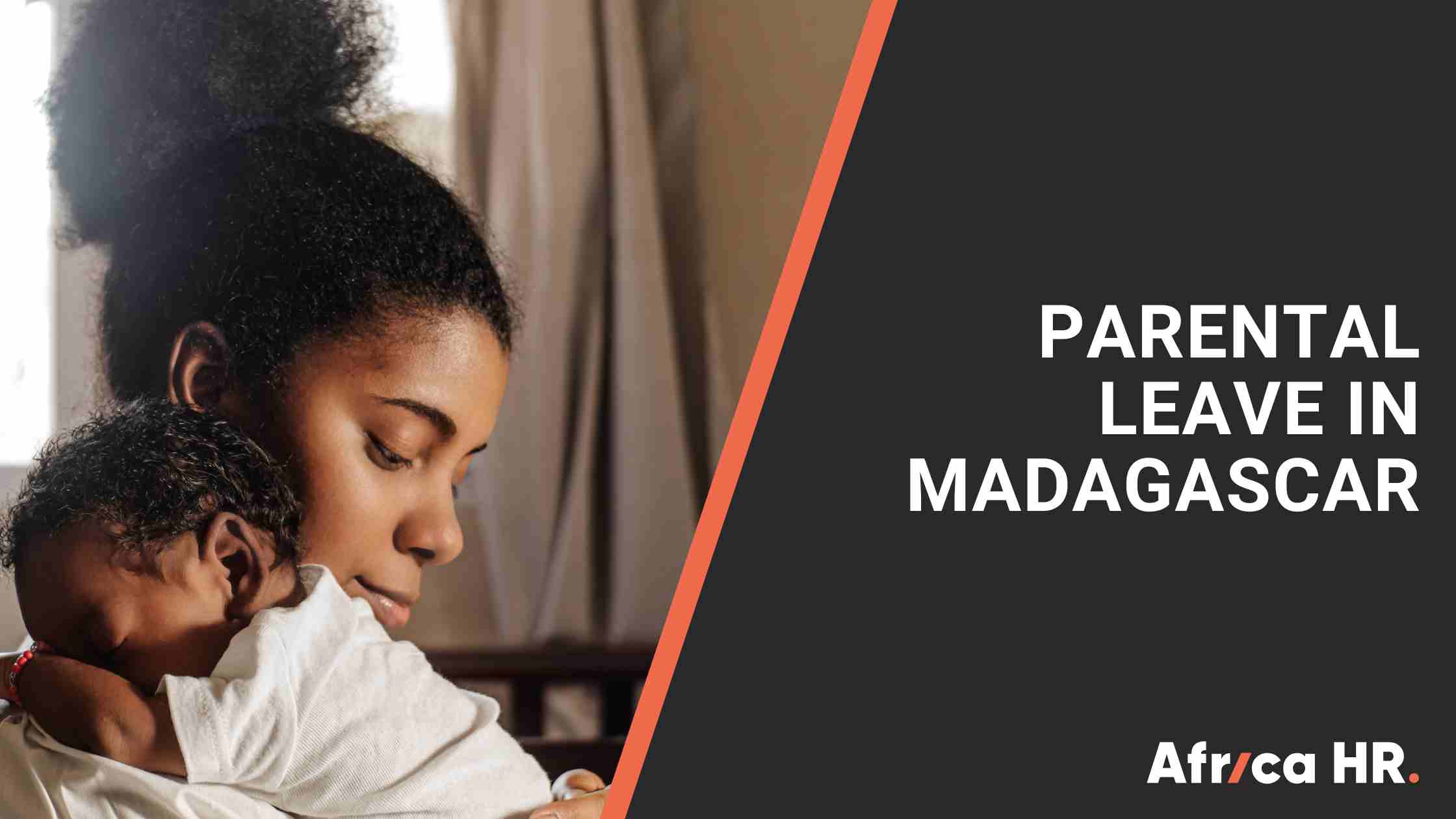
Maternity and paternity leave can be sensitive subjects for employers and employees to talk about, and even more so in a foreign country.
To help you better understand how maternity and paternity leave play out in Madagascar, our experts have compiled this simple guide.
The law about maternity leave in Madagascar
Job restrictions
Certain types of work are prohibited for pregnant and breastfeeding women, defined by government decree. A woman applying for a job in Madagascar is not required to disclose her pregnancy, unless the role involves work that is restricted or poses a recognised health risk to her or her child.
Health assessments
A pregnant or breastfeeding employee in Madagascar can request an examination by an occupational health doctor to determine whether her current duties pose any risk. A labour inspector can also request this. If her work is found to be risky, she must be moved to a suitable role, and her pay must remain the same during the transition.
Protection from dismissal
An employer cannot dismiss a woman because she is pregnant.
Dismissal is only permitted for legitimate reasons entirely unrelated to the pregnancy. Fixed-term contracts may still end at their natural expiry date. Pregnancy cannot be used as a reason to dismiss a woman during her probation period either.
Resignation without penalty
In Madagascar, a pregnant woman, or a breastfeeding mother, may resign without giving notice and without paying any compensation to the employer.
Maternity leave
Every employee in Madagascar is entitled to 14 consecutive weeks of maternity leave, of which at least 8 weeks must follow the birth. Leave can be extended by up to 4 weeks if the mother or newborn has a medically confirmed health condition.
Maternity leave runs separately from annual leave and cannot be counted against it. During this period, the National Social Security Fund (CNPS) covers the cost of childbirth and, where applicable, medical care, up to the rates set by public health facilities.
The full 14 weeks of pay is guaranteed regardless of whether the birth happens earlier or later than the expected due date, or even in the event of a stillbirth.
If the employer is not registered with the CNPS, they are responsible for covering both the medical costs and the employee's full salary in their entirety.
Navigate employee leave and benefits in Madagascar with Africa HR Solutions
Africa HR Solutions is your on-the-ground, 100% compliant EOR provider across 46+ African countries.
Our expertise in local labour law helps lift the burden of compliance from our clients’ shoulders, keeping them up to code and their employees happy for greater productivity.
To find out more about how Africa HR Solutions can help you, speak with one of our payroll experts today.
Maternity leave extension
In cases of illness resulting from the pregnancy or childbirth, the leave can be extended by an additional 3 to 4 weeks upon presenting a medical certificate.
Breastfeeding breaks
For 15 months after the birth, a mother is entitled to paid breastfeeding breaks totalling no more than one hour per working day, calculated pro rata for part-time workers. Where enough mothers wish to breastfeed at work, the employer must provide an appropriate space.
Night work restrictions
In Madagascar, pregnant and breastfeeding women may not work nights for at least 16 weeks around the birth (including at least 8 weeks before the expected due date), and at other times during pregnancy or the breastfeeding period if a medical certificate confirms it is necessary.
Informal Economy
Workers in Madagascar’s large informal sector usually do not receive statutory maternity cash benefits.
Frequently Asked Questions
How long is maternity leave in Madagascar?
Employees are entitled to 14 consecutive weeks of maternity leave, with at least 8 of those weeks taken after the birth. If the mother or newborn has a medically confirmed health condition resulting from the pregnancy or childbirth, leave can be extended by up to 4 additional weeks. Maternity leave is separate from annual leave and cannot be counted against it.
Who pays the employee during maternity leave in Madagascar?
The employee receives her full salary throughout maternity leave. Half is covered by the National Social Security Fund (CNPS) and half by the employer. The CNPS also covers childbirth costs and, where applicable, medical care. If the employer is not registered with the CNPS, they bear the full cost of both salary and medical expenses.
Is the salary guaranteed even if the birth does not go as planned in Madagascar?
Yes. The full 14 weeks of pay is guaranteed regardless of whether the birth happens earlier or later than the expected due date, or in the event of a stillbirth.
Can an employer dismiss a pregnant employee in Madagascar?
No. An employer cannot dismiss an employee on the grounds of pregnancy, including during her probation period. Dismissal is only permitted for legitimate reasons entirely unrelated to the pregnancy. Fixed-term contracts may still end at their natural expiry date.
What breastfeeding rights does a mother have at work in Madagascar?
For 15 months following the birth, a mother is entitled to paid breastfeeding breaks of up to one hour per working day, calculated pro rata for part-time employees. Where there is sufficient demand, the employer is required to provide an appropriate space on the premises for breastfeeding.
Are there any restrictions on the type of work pregnant or breastfeeding employees can do in Madagascar?
Yes. Certain roles are prohibited for pregnant and breastfeeding women under government decree. If an occupational health doctor or labour inspector determines that an employee's current duties pose a risk, she must be reassigned to a suitable role with no reduction in pay. Pregnant and breastfeeding women are also prohibited from working nights for at least 16 weeks around the birth, and at other times if a medical certificate confirms it is necessary.