




Insights from our Africa HR Solutions experts

Grant Geraghty
Head of Client Relationships
Africa HR Solutions
Mauritius
Grant Geraghty is a trusted HR and payroll compliance specialist with extensive experience across Africa. With a background in economics and payroll administration, he helps organisations navigate local regulations and streamline their expansion strategies on the continent.

5 Signs Your African Contractor Workforce May Be Misclassified
Worker misclassification can expose businesses operating in Africa to fines, backdated payments, legal claims and reputational damage. Discover five signs that your contractors may actually be employees and learn how to reduce your compliance risk.

Maternity, Paternity, and Parental Leave in Eswatini: A 2026 Guide
What are the maternity and paternity leave rules in Eswatini? This 2026 guide explains employee eligibility, maternity leave duration and pay, nursing breaks, job protection, additional leave for childbirth-related illness and the current legal position on paternity leave.
Health insurance across 54 African countries: where is it mandatory?
Employee health insurance requirements vary significantly across Africa. Explore our country-by-country guide to understand where health insurance is mandatory, how costs are shared, and what employers need to know to stay compliant when operating across the continent.

Maternity, Paternity, and Parental Leave in Côte d’Ivoire: A 2026 Guide
Understanding maternity, paternity and family leave in Côte d’Ivoire can be challenging, particularly for international employers. This 2026 guide covers key employee rights, including maternity leave, pregnancy protections, paternity and parental leave reforms for public sector employees, and the family benefits available to eligible workers.

Is African bureaucracy really as slow as people think?
Is African bureaucracy truly as slow as people claim? While legislative delays, manual systems, and language barriers create real challenges across the continent, the picture is far more nuanced than the stereotype suggests. Discover where slowness actually occurs, which countries are surprisingly efficient, and how EOR partners like Africa HR Solutions can help you navigate red tape smoothly. Read the full article to learn practical strategies for faster business expansion in Africa.

How to Navigate Maternity & Paternity Leave in Madagascar as an Employer
Navigating maternity and paternity leave in Madagascar can be complex for employers. This comprehensive guide covers key legal requirements, including 14 weeks of paid maternity leave (with full salary guarantee), job protections for pregnant and breastfeeding employees, restrictions on certain types of work and night shifts, and breastfeeding break entitlements. Understand your obligations regarding the National Social Security Fund (CNPS), dismissal rules, and health assessments to ensure full compliance while supporting your team effectively. Perfect for businesses operating in Madagascar.

Workplace Safety in Africa: What Employers Must Know Across 54 Countries
Workplace safety obligations vary significantly across Africa, yet one requirement remains consistent in every market: employers are legally responsible for the health and safety of their workers. From mandatory risk assessments and PPE provision to safety committees, occupational health services, and incident reporting, staying compliant is critical to avoiding hefty fines, operational shutdowns, and criminal liability. This comprehensive guide outlines the core occupational safety and health (OSH) requirements across 54 African countries, helping businesses navigate complex local regulations with confidence. Africa HR Solutions provides in-country expertise and Employer of Record (EOR) services to simplify compliance across the continent.
May 2026 Africa Regulatory Updates Round-Up
May 2026 brought significant regulatory developments across Africa, from strengthened insurance and pension supervision in Angola to new employment protections in Uganda, updated remuneration rules in South Africa, and revised minimum salaries in Zimbabwe’s insurance sector. Meanwhile, the Ebola outbreak in the DRC and Uganda has triggered international health emergency measures and travel restrictions, impacting business operations in Central and East Africa. These updates highlight the fast-evolving regulatory landscape that multinational employers must navigate.

2026 Ebola Outbreak in Africa: Key Facts for Business Leaders
The WHO has declared the 2026 Ebola outbreak in the Democratic Republic of Congo and Uganda a Public Health Emergency of International Concern. With a vaccine-resistant strain spreading rapidly and over 100 deaths already recorded, several countries have imposed strict travel bans and visa suspensions. Business leaders with interests in Central and East Africa need to understand the latest developments and potential disruptions. Read the full article for key facts, current restrictions, and practical recommendations.

Partnering with an African EOR? Hidden fees and red flags to watch out for
Not all EOR pricing models in Africa are as transparent as they appear. From hidden onboarding costs and country-specific surcharges to restrictive exit clauses and off-cycle payroll fees, this article explores the most common red flags businesses should watch for before signing with an African EOR provider. Discover the questions to ask, the fees to clarify, and how to protect your expansion budget from costly surprises.
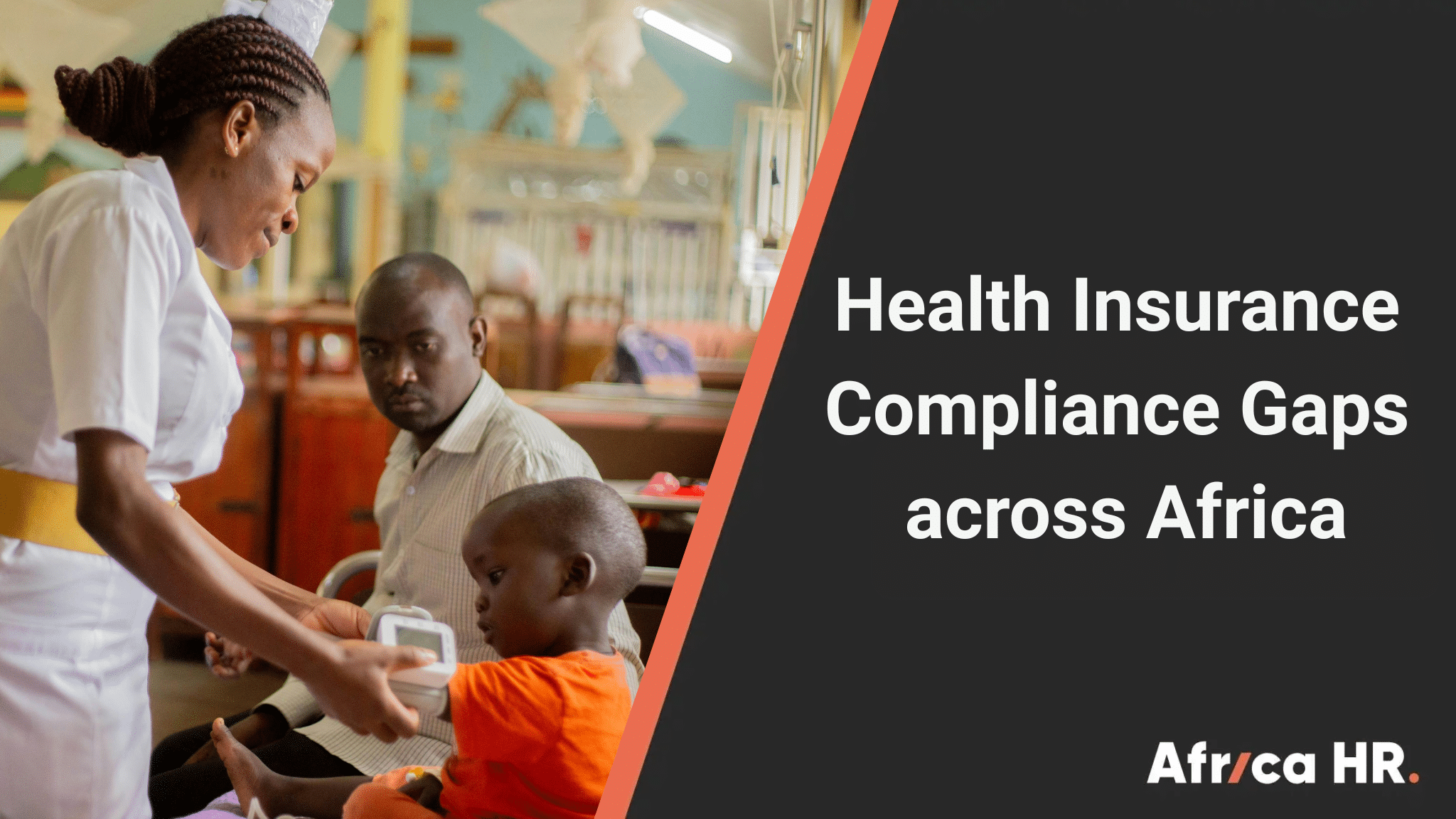
Health insurance across Africa: the Compliance Gaps Most Employers Don’t See Coming
Health insurance is often treated as a secondary concern during expansion into Africa, but overlooking it can quickly create serious compliance and reputational risks. Across the continent, requirements vary widely, from mandatory national schemes to market-specific expectations that go beyond legal obligations. In this article, we unpack the most common gaps employers face, highlight where businesses tend to fall short, and outline what it takes to build a compliant, competitive health coverage strategy across multiple African markets

Africa-wide benefits: the risks, realities, and what most employers miss
Employee benefits are often overlooked during expansion into Africa, but getting them wrong can lead to compliance issues, penalties, and talent loss. From country-specific statutory requirements to rising expectations for supplementary perks, benefits administration across Africa is complex and highly localised. In this article, our experts break down the key risks, operational challenges, and what employers must understand to build competitive and compliant benefits packages across multiple African markets.