


East Africa: Top insights for business expansion in the region

How do you make multi-country expansion in Africa easier?
By focusing on one region, to begin with.
The geographical proximity, business ties, cultural similarities, and shared climate allow for more predictable business conditions. Of course, each country will have its own particularities: whether culturally, legislatively, or business-wise.
Today, Africa HR Solutions takes you east to explore the top insights every investor or entrepreneur should consider before entering this up-and-coming African region.
Which countries make up East Africa?
East Africa includes key countries such as Kenya, Tanzania, Uganda, Rwanda, Ethiopia and South Sudan. The region also forms part of the East African Community (EAC), an increasingly influential economic bloc focused on regional integration and cross-border trade facilitation. This bloc also includes the Democratic Republic of Congo, even though it is technically not part of the eastern African region.
Quick business facts about East Africa
Market size: access to over half a billion people, with a population of approximately 514 million people
Combined GDP size: Approx. US$ 305 billion
Notable landmarks: Mt Kilimanjaro (Tanzania), Lake Tanganyika
Natural resources: Gold, diamonds, gemstones, silver, hydropower, wildlife, arable land
Main Markets & Economic Hubs
Kenya
Kenya is the region’s most advanced economy and a major financial and technology hub. Nairobi has earned the nickname “Silicon Savannah” due to its booming start-up ecosystem, driven by mobile technology and fintech. Kenya also boasts strong infrastructure, including the Port of Mombasa and a reliable banking sector.
Ethiopia
With over 120 million people, Ethiopia is Africa’s second most populous nation after Nigeria. Despite being landlocked, the country has made significant investments in infrastructure, industrial parks and manufacturing. Its government-led development model has attracted investors in textiles, construction and renewable energy.
Tanzania
Tanzania’s economy is rich in resources such as gold, natural gas and fertile land. It is seeing rising interest in mining, agriculture and tourism. The port city of Dar es Salaam is also growing as a trade hub.
Rwanda
A top performer in governance, innovation and ease of doing business, Rwanda is positioning itself as a gateway for investment in East Africa. With a stable political environment, digitised government services and a pro-investor mindset, Rwanda is ideal for service industries, ICT and green investment.
Uganda
Uganda offers significant potential in agriculture, oil and gas, and logistics. With the discovery of oil reserves and ongoing infrastructure projects like the East African Crude Oil Pipeline, the country is positioning itself for an economic boost in the coming years. Investors in this sector are looking at a rather profitable few years ahead.
Outlook
East Africa is projected to maintain robust GDP growth, greatly surpassing the continental average. According to the United Nations Department of Economic and Social Affairs (UNDESA) World Economic Situation and Prospects 2025 report, the region is expected to maintain a growth rate of around 6% in both 2025 and 2026, while the broader African continent is projected to grow at a more moderate 3.7% in 2025 and 4.0% in 2026.
This strong performance can be attributed to several factors, including the expansion of the services, agriculture, and technology sectors. Regional integration through the EAC and the African Continental Free Trade Area (AfCFTA) is also expected to grow the region’s market size while reducing trade barriers for improved performance.
Expansion Opportunities
Technology & fintech
With widespread mobile phone usage and still underdeveloped traditional banking access, East Africa is a hotspot for fintech innovation. Mobile money platforms like M-Pesa have revolutionised financial services, and there is still room for growth in digital payments, micro-lending and Insurtech.
Agribusiness
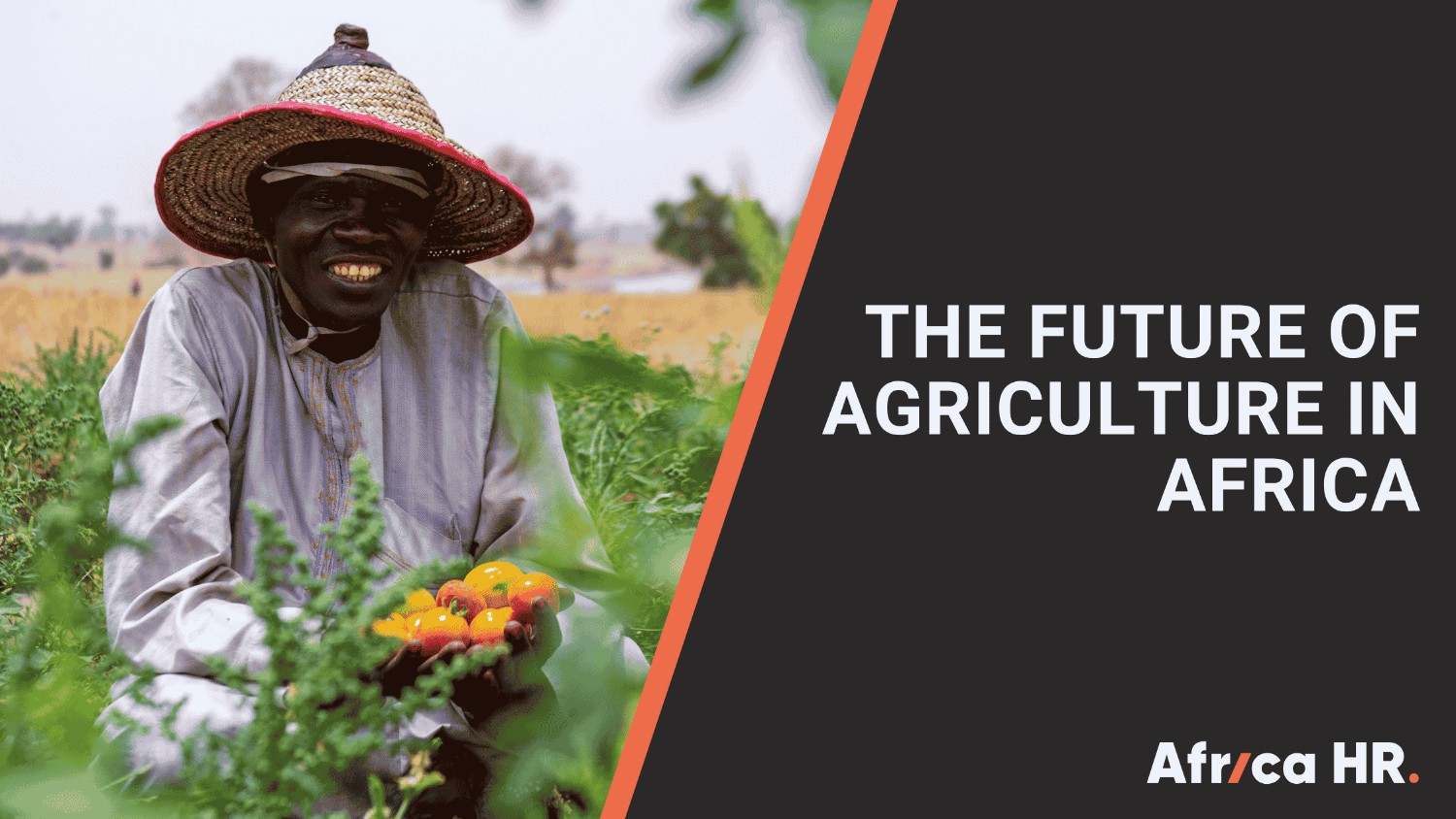
Agriculture employs a significant portion of the population, around 80% of the population in the region. From farming and processing to agri-tech and export logistics, opportunities exist all across the chain. Governments are also offering incentives for modernisation and agro-industrial investment.
Manufacturing
As businesses seek alternatives to Asia for cost-effective production, East Africa is becoming an attractive location for manufacturing. Access to raw materials, growing domestic demand and regional market access support this trend.
Healthcare & pharmaceuticals
The COVID-19 pandemic exposed weaknesses in local healthcare systems. There is strong demand for health infrastructure, pharmaceutical manufacturing, and private clinics, especially in urban centres.
Logistics & transport
With rising intra-regional trade, there is a need for improved infrastructure, warehousing and distribution services.
Cultural considerations
East Africa is culturally diverse, and business success often depends on a clear understanding of local customs. Personal relationships are important in business, and face-to-face interactions are often preferred. English is widely spoken, particularly in business settings, but Swahili and local languages play a major role in everyday communication and marketing. When expanding to any country or countries in this region, working with a partner who understands local particularities is crucial to success.
Demographics & population
With a combined population of over 450 million people, East Africa is one of the most populous and youthful regions in the world. This creates strong demand for education, employment, housing and consumer goods. Urbanisation is accelerating, particularly in cities like Nairobi, Addis Ababa, Dar es Salaam and Kampala.
Labour market insights
The region boasts a large and youthful labour force. While labour costs are competitive, there is a growing need for skills development, particularly in technical and digital fields. Governments and private sector players are investing in vocational training and education technology. Employers should also be aware of variations in labour laws and the prevalence of informal employment in many sectors, lest they become non-compliant and face fines, or a damaged employer reputation.
Challenges to Consider
While the potential is significant, businesses must plan for certain risks:
- Infrastructure gaps remain in areas such as electricity supply and rural connectivity
- Regulatory and political environments vary, with some countries facing instability or unclear business laws.
Overcome the challenges of expansion with Africa HR Solutions
Don’t face the difficulties of expansion all on your own: a reliable EOR partner like Africa HR Solutions takes on the burdens of onboarding, payroll, benefits administration and more, while providing a rapid and legal market entry strategy into East Africa.
To find out how we can best help you when you expand to an East African country, chat with one of our consultants.
Table of Contents
You may also be interested in: