


Expanding into Ghana’s Mining Sector: What Foreign Companies Need to Know
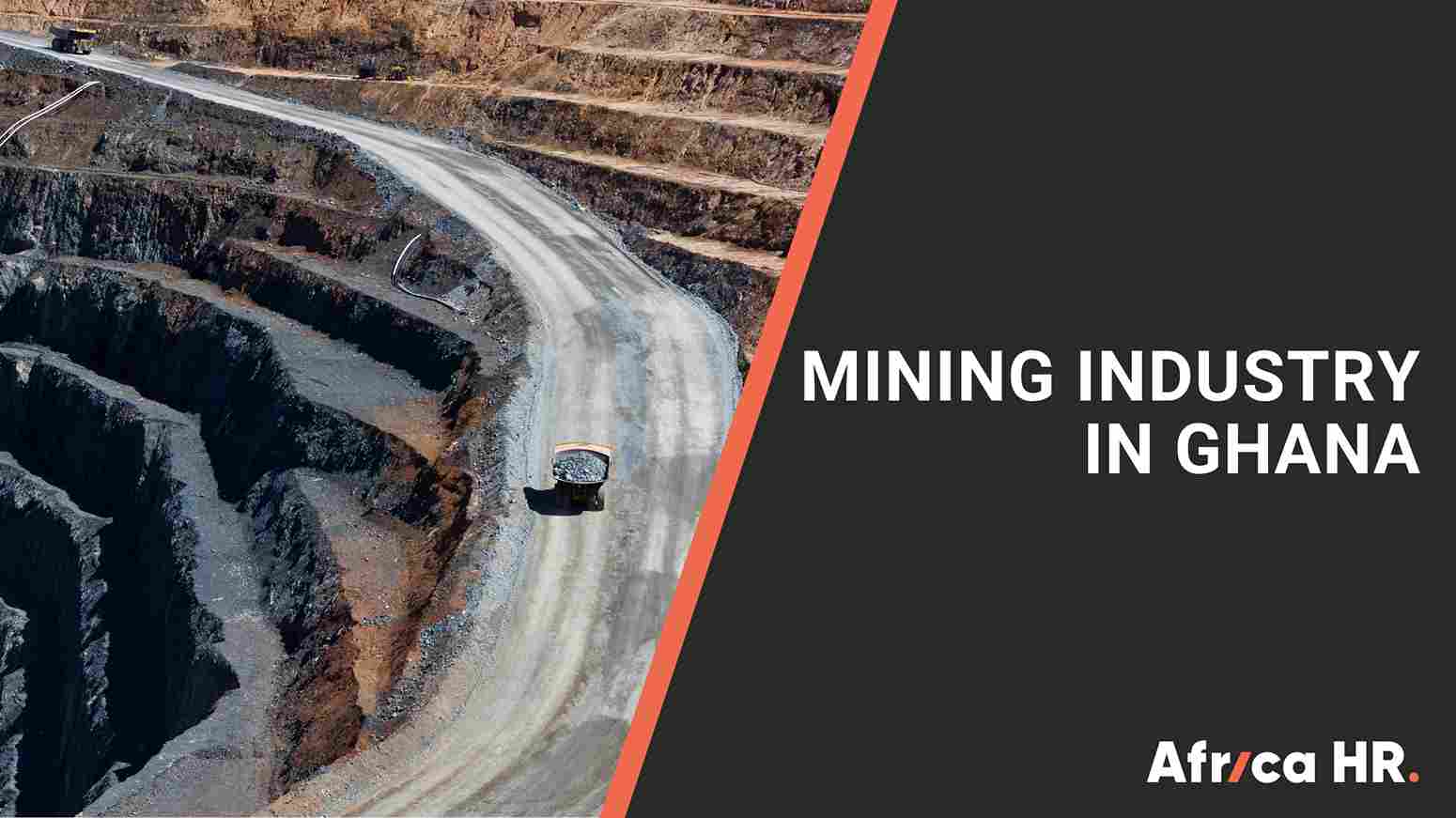
The mining industry in Ghana is an emblematic pillar of the economy.
After all, as Africa's leading gold producer, the country has much to drive on and continues to attract significant foreign investment in mining despite a tightening regulatory environment.
But the raw materials alone don’t explain this rather literal goldrush.
Established infrastructure, a skilled labour pool, and decades of sector expertise make it a relatively accessible entry point into the market.
At the same time, the rules governing who can operate, and how, have shifted considerably in the past two years. Companies entering the market now need to plan around that from the outset.
In this article, our Ghana experts detail the general path into Ghana's mining sector, alongside the current regulatory changes companies should be aware of before committing to an entry strategy.
The mining sector in Ghana: the basics
Ghana's mining sector operates under a licensing system administered by the Minerals Commission.
It issues exploration and mining leases and oversees compliance across the industry. Foreign companies can hold mining leases directly. However, most large-scale operations involve either a wholly foreign-owned subsidiary, a joint venture with a Ghanaian partner, or a contract mining arrangement.
Beyond the lease itself, companies may need to:
- Register a local entity
- Obtain tax clearance from the Ghana Revenue Authority
- Secure sector-specific approvals from the Minerals Commission
Employment follows Ghana's general labour law framework, with sector bodies adding an extra layer of oversight on top.
Recent regulatory developments
The most significant recent change has to be Ghana's 2025 Minerals and Mining (Local Content and Local Participation) Regulations. It targets the core extraction activities within mining operations rather than just procurement, as earlier local content rules did.
Under the new regulations, surface mining activities must now be carried out by fully Ghanaian-owned firms. Underground mining operations must be handled by companies with at least 50% local ownership.
Major operators have been directed to complete this transition by December 2026 or face sanctions, which could include fines or the suspension of mining leases.
The policy has drawn mixed reactions.
Ghana's mineworkers' union has raised concerns that local contractors often pay lower wages, offering less job security than the multinational operators they are replacing. Mining executives, meanwhile, have argued the rules conflict with existing mining law. This is a live and contested area of regulation.
Companies entering the sector should treat it as evolving rather than settled.
For companies weighing their entry strategy, the practical implication is that direct, wholly foreign-owned mining operations are no longer straightforward in the same way they once were.
Work Permits & Expatriate Staff
None of this changes the process for bringing in skilled expatriate staff.
Following Ghana's standard immigration framework, foreign employees need:
- A work permit from the Ghana Immigration Service before they can legally work
- A residence permit before they can remain
Mining companies may also need additional sign-off from the Minerals Commission, given the sector's regulatory oversight.
Permits are generally valid for one year with the option to renew.
Structuring employment in Ghana
Companies entering the sector generally choose between a few approaches.
Setting up a local entity gives full operational control. However, it also comes with the ownership constraints described above, together with the usual registration and compliance requirements.
A contract mining partnership with a Ghanaian-owned operator satisfies the local content rules directly. But it means relinquishing some control over day-to-day extraction.
An Employer of Record (EOR) like Africa HR Solutions can support either approach. We can handle the compliant employment of local and expatriate staff (contracts, payroll, statutory benefits, and work permit support) while your company works out its ownership and licensing structure.
That being said, it's worth being clear on what each option actually does.
An EOR in Ghana addresses employment compliance.
It does not satisfy the local ownership requirements for surface or underground mining activities.
Companies need both pieces in place, and getting the employment side right early means there isn’t a toppling stack of issues awaiting you once the ownership and licensing questions are resolved.
How Africa HR Solutions can help
With 15 years of experience across 46+ African countries, we support companies expanding into Ghana's mining sector with compliant employment for local and expatriate staff.
As the regulatory landscape continues to shift, having a compliance partner on the ground greatly reduces the administrative burdens you will face.
Get in touch with one of our consultants today.
Disclaimer: The information contained in this article is for general information purposes only. While we endeavour to keep the information up to date and correct, we make no representations or warranties of any kind, express or implied, about the completeness, accuracy, reliability, suitability, or availability with respect to this article or the information, products, services, or related graphics contained therein for any purpose.

About the Author
Aldo Figaro joined Africa HR Solutions as a tech-savvy Copywriter in 2022. Since then, he has developed a keen eye for simplifying complex topics for the website's users. He has authored a wide range of articles on payroll, Employer of Record (EOR), and Professional Employer Organisation (PEO) services in Africa.
Frequently Asked Questions
Can foreign companies still own mining operations in Ghana?
Yes, but with restrictions.
Surface mining activities must now be carried out by fully Ghanaian-owned firms, and underground mining requires at least 50% local ownership. Foreign companies can still hold mining leases and operate through joint ventures or contract mining partnerships with Ghanaian-owned firms.
What is the automatic expatriate quota in Ghana?
It's an allowance for foreign employees granted to companies with foreign participation.
It is based on the amount of paid-up capital invested. It allows a set number of expatriate staff to work in Ghana without needing to apply for each position individually.
Does an Employer of Record solve the local ownership requirement in Ghana?
No. An EOR handles compliant employment, payroll and statutory benefits, but it doesn't address the ownership structure required for surface or underground mining activities.
Companies still need to sort out licensing and ownership separately.
Do mining companies in Ghana need approval from the Minerals Commission in addition to standard business registration?
Yes.
Alongside registering the company and obtaining tax clearance from the Ghana Revenue Authority, mining companies need sector-specific approval from the Minerals Commission before operations can begin.
This applies on top of the general company registration process, not instead of it.
What happens if a company misses the December 2026 compliance deadline for local content rules?
Companies that fail to transition surface mining to fully Ghanaian-owned firms, or underground mining to at least 50% local ownership risk sanctions from the government. These could include fines or the suspension of mining lease.
Table of Contents
You may also be interested in: