



Expanding Into Rwanda’s Agriculture Sector: Incentives, Employee Rights and What Comes Next
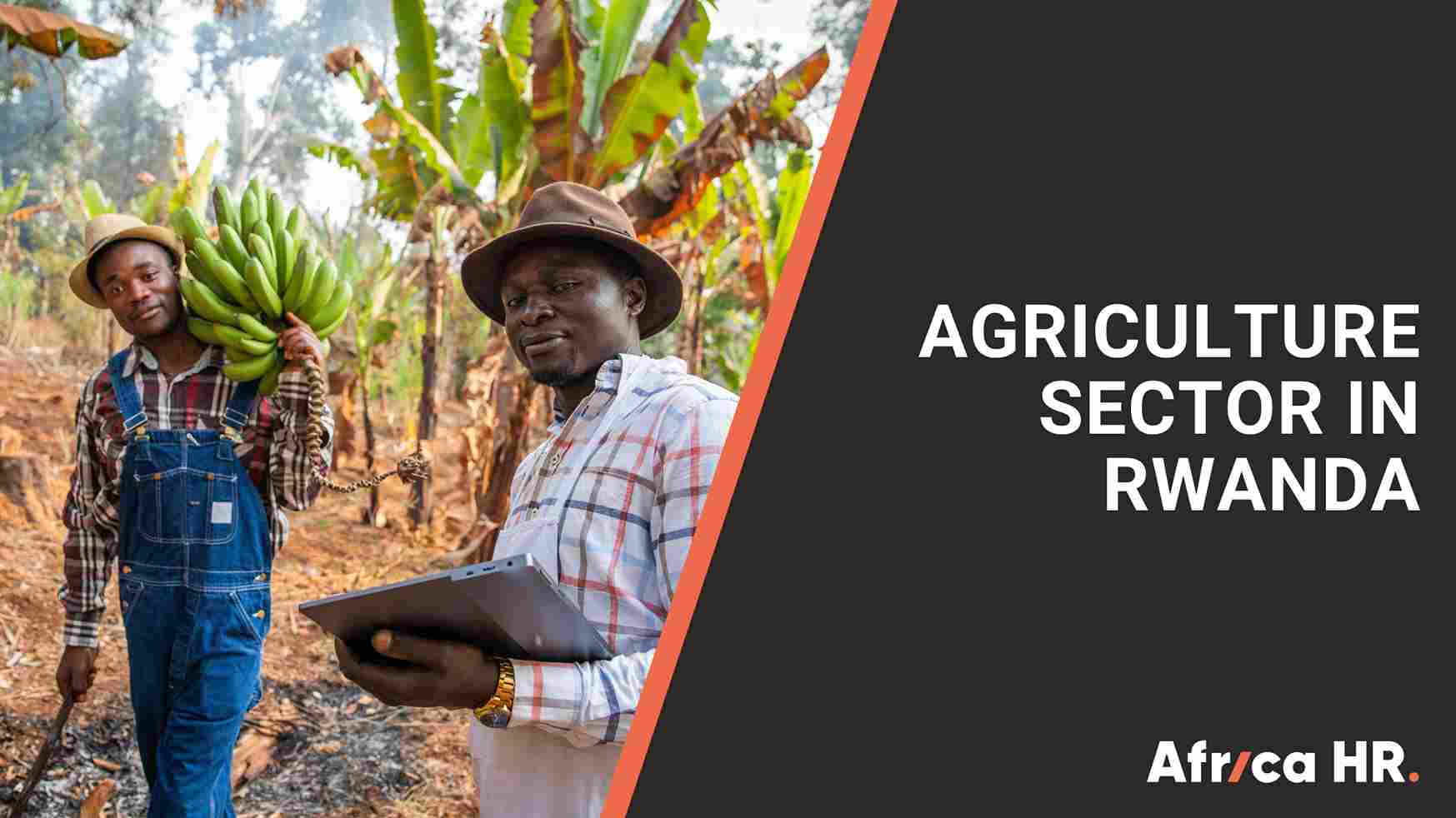
The first industry that comes to mind when thinking about Rwanda is not necessarily agriculture.
The country has done such a remarkable job growing its financial and technological capabilities that one could almost forget that agriculture is, in fact, Rwanda’s main economic driver. The sector employs roughly 70% of the local population and accounts for about 35% of the national GDP.
As an investor looking to grow in the region, here is the essential information to know about the existing agricultural landscape, the relevant regulatory requirements, and employee expectations in the agricultural industry in Rwanda.
Agriculture in Rwanda
Rwanda’s main agricultural exports include coffee, tea, fruits, and vegetables (avocados, passion fruit, flowers...). Beyond just the raw agricultural output, the country also produces value-added items such as canned tomatoes, honey, and emerging value-added products like grains.
The terrain & climate
Rwanda enjoys some unique climatic advantages, with fields sitting in high elevation, moderate temperatures, and rich soil, all of which support year-round cultivation. This means no pauses or breaks for the industry.
Rwanda also rears livestock, producing and exporting live animals, unprocessed meat, and dairy products. Neighbouring countries, especially the Democratic Republic of Congo, are the country’s main clients. Exports of dairy and meat products to markets such as the UAE are more limited. That being said, it is worth nothing that increased mobility and flight routes to Europe, the Middle East, and Asia has greatly supported the export of fresh produce and meat products from Rwanda.
Rwanda’s National Strategy for 2050
Agriculture has been instrumental to the country’s development, helping to lift millions out of extreme poverty.
How?
By transforming agriculture from basic subsistence farming to a commercial sector led by market demand.
Already, Rwanda's agricultural export earnings grew from 839.2 million USD in 2023-2024, nearly four times the 225 million USD recorded a decade earlier. This was supported by sustained double digit growth in exports such as coffee, tea and horticulture.
This expansion has translated directly into household gains: between 2017 and 2024, agricultural development helped lower the national poverty rate from 39.8% to 27.4%.
Government programmes and international aid were also critical to this success. They:
- Raised crop yields
- Improved soil health
- Introduced livestock initiatives
- Connected small farmers to formal markets
Having seen such positive results, Rwanda launched its Vision 2050 and National Strategy for Transformation (NST2). This ambitious vision aims to help the sector move from subsistence farming to commercial, technology-driven agriculture and agro-processing. Some of the programme’s goals include:
- Full digitisation
- Climate resilience
- Sustainable land use
- Expanded irrigation
- Increased private sector participation
Farms are expected to become larger, more technologically-inclined, with high yields, with a prioritising high-value chains for greater profit in exchange for lower effort.
Investment Incentives
Rwanda treats agriculture as a strategic sector, and the incentives on offer reflect this. Registered investors exporting at least half of what they produce in Rwanda can access a 50% reduction in corporate income tax. However, this incentive excludes unprocessed minerals, tea and coffee without value addition.
Agriculture, livestock and agro-processing businesses more broadly benefit from a preferential 15% corporate income tax rate against the standard 28%.
Large investment projects in export-oriented sectors, including agriculture, may also qualify for a seven-year corporate income tax holiday.
These fiscal incentives sit alongside practical support from the Rwanda Development Board. It runs a one stop centre for business registration, environmental impact assessments, and work permits, along with aftercare services designed to help investors move from approval to operation quickly.
Choose a local African partner to expand to Rwanda
Expanding into Rwanda's agriculture sector means navigating investment incentives, sector specific labour rules and a workforce that spans permanent, seasonal and informal arrangements, often at the same time.
Africa HR Solutions helps businesses like yours onboard, pay and stay compliant in Rwanda without setting up a local entity. Get in touch to discuss how we can support your expansion.
Employee expectations & protections
Employment in Rwanda is governed by the Labour Law of 2018.
It applies the same core protections, including occupational health and safety, freedom of association, protection from discrimination, and protection from forced labour, to both formally registered employees and informal sector workers.
This distinction matters in agriculture, where casual and seasonal labour is common, since it means these protections are not limited to permanent staff on written contracts.
Rwanda has no single national minimum wage. Instead, sector specific rates are set through collective bargaining agreements or government regulation, so agricultural employers need to check current sectoral terms rather than assume a blanket figure applies.
Beyond pay, the standard working week is 45 hours, employees are entitled to at least 18 working days of paid annual leave after a year of service, and a minimum weekly rest period of 24 consecutive hours is mandatory.
For companies building a workforce in this sector, there is a main practical challenge. It is about consistently upholding the law across a workforce that may include permanent, seasonal and informal workers on the same farm or in the same value chain.
Projections going forward
Rwanda's agriculture sector is entering an exciting new planning cycle.
The government's fifth Strategic Plan for Agriculture Transformation, known as PSTA 5, runs from 2024 to 2029 and is backed by an estimated 5.1 billion USD in funding from government, private sector and grant sources.
The plan targets annual agricultural GDP growth of around 6 to 8 %, up from a 2023 baseline of roughly 2 %, and aims to lift agricultural export revenues from 857 million USD in 2022 to 2023 to as much as 1.5 to 2 billion USD by 2028 to 2029. It also targets the creation of more than 644,000 off-farm jobs in agri-food systems, up from around 400,000, with a particular focus on rural and youth employment.
Frequently Asked Questions
Do I need to set up a local entity to hire employees in Rwanda?
No.
Companies can onboard staff in Rwanda through an Employer of Record, which allows you to employ workers compliantly without registering a local subsidiary. This is often the faster route for companies testing the market or running smaller agricultural operations before committing to a full entity setup.
What tax incentives are available to agriculture investors in Rwanda?
Registered investors exporting at least half of their production can access a reduced corporate income tax rate, and agriculture, livestock and agro-processing businesses generally qualify for a preferential 15% rate. Large export-oriented projects may also qualify for a seven-year tax holiday, subject to conditions set by the Rwanda Development Board.
Is there a national minimum wage for agricultural workers in Rwanda?
Rwanda does not have a single national minimum wage.
Rates are set on a sector-by-sector basis through collective bargaining agreements or government regulation, so employers should confirm current terms for agriculture specifically rather than apply a general figure.
How are seasonal and informal agricultural workers protected under Rwandan law?
The Labour Law of 2018 extends core protections, including occupational health and safety, freedom of association and protection from forced labour and discrimination, to both formally registered employees and informal sector workers. This means seasonal and casual staff are not excluded from these baseline rights.
How big is Rwanda's agricultural export sector today?
Agricultural exports generated 893 million USD in the 2024 to 2025 financial year, up from 465 million USD in 2018 to 2019. The government is targeting a further increase to between 1.5 and 2 billion USD by 2028 to 2029 under its current agriculture strategy.
What support does the Rwandan government offer to new agriculture investors?
Beyond tax incentives, the Rwanda Development Board operates a one stop centre covering business registration, environmental impact assessments and work permits, along with aftercare services to help investors move from approval to operation. Import duty exemptions are also available on raw materials and industrial inputs used in production.