

Expanding to Madagascar? Here’s everything you should know before taking the big step
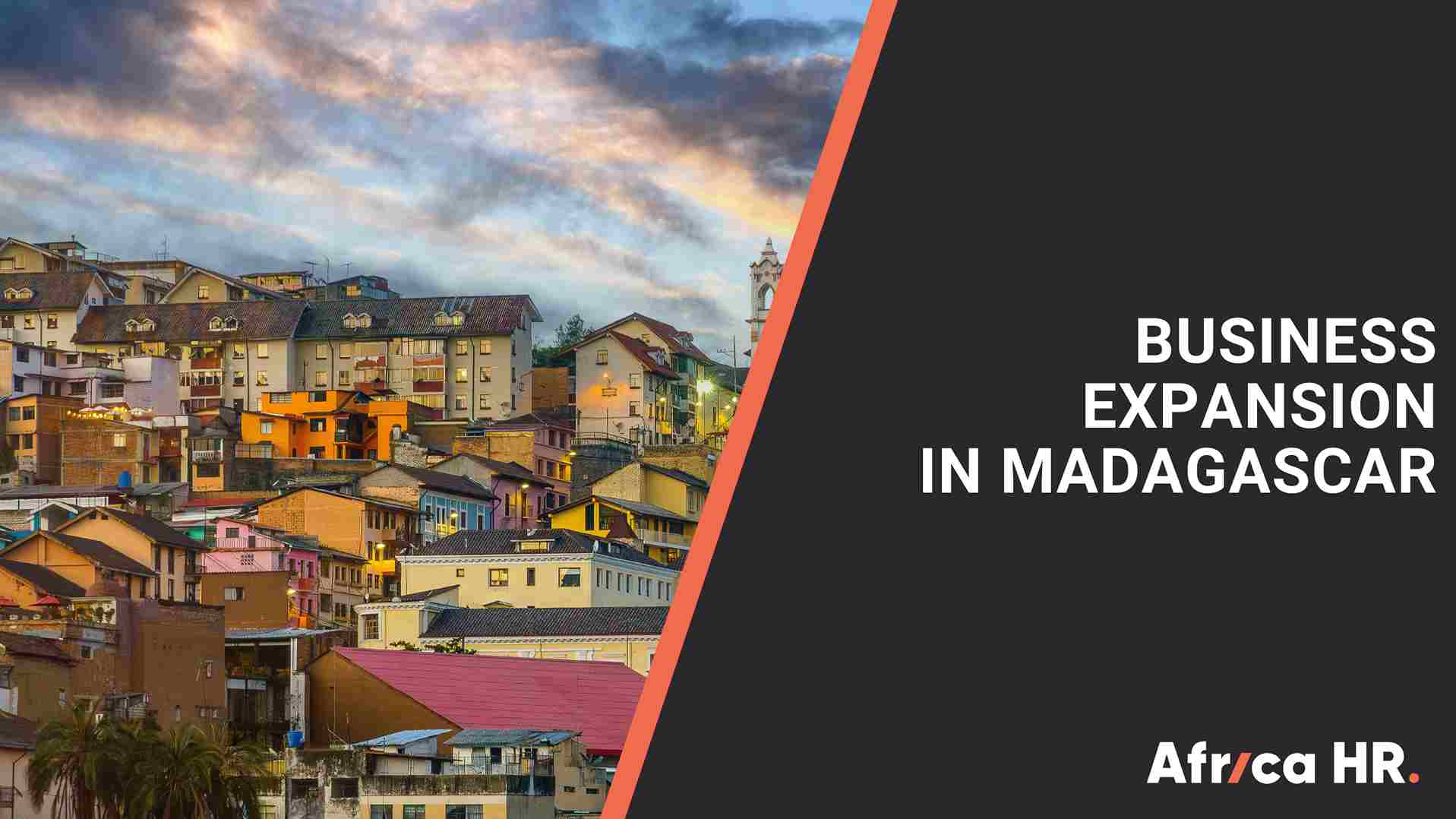
Often overlooked in favour of larger mainland African economies, Madagascar is, nonetheless, a prime investment destination.
The island-nation offers an attractive mix of:
- Precious natural resources
- A strategic location
- Growing consumer demand
At the same time, however, it presents regulatory, logistical and cultural complexities that require careful planning before reaching business success.
If Madagascar is on your expansion radar, understanding the local context is essential before making the leap.
An overview of Madagascar
Madagascar is the fourth largest island in the world, located off the southeastern coast of Africa. While diverse, its economy is still developing, with the following sectors playing major roles:
- Agriculture (Backbone of Madagascar's economy, employing approximately 70-82% of the workforce, contributing 21-37% to the GDP, and driving about 37% of exports)
- Mining (Contributing roughly 4.5%–5% to GDP and over 40% of export earnings, driven primarily by industrial extraction of nickel, cobalt, and ilmenite.)
- Textiles (The sector is the largest formal employer with over 400,000 direct and indirect jobs as of April 2025, particularly within Export Processing Zones)
- Tourism (The tourism economy is experiencing a strong boom post-pandemic, generating over US$780 million in 2024 with 316,873 recorded visitors, aiming for 500,000+ annual tourists)
In recent years, international investors have shown great interest in the country, particularly in:
- Agribusiness
- Renewable energy
- Infrastructure
- Light manufacturing
While GDP growth has been uneven, Madagascar retains potential in the long-term, supported by a young population, growing urbanisation, and increasing links with regional and global markets.
Businesses may find that there is an opportunity gap in this developing nation across many sectors. As such, they may come to find that competition is less intense than in more popular, somewhat saturated African markets. In this particular sense, risk may be lower, overall.
Legal & regulatory considerations
Foreign companies can operate in Madagascar, either through a local subsidiary, a branch or in partnership with Malagasy entities. On paper, company registration is relatively straightforward, but in practice it can be slowed by administrative processes and changing requirements.
As EOR partners who have been operating across 46+ African countries including Madagascar, we have found this to be true: entity registration can take months and endless paperwork before businesses can operate.
For organisations looking for a quick start to seize opportunities in a timely way, or for those looking to test the market first before committing, an African Employer of Record (EOR) is a convenient, low-stakes solution to get started.
To find out if an EOR solution is right for your business goals, send a message to one of our consultants.
In Madagascar, labour law tends to be more protective of employees, with clear rules on contracts, working hours and termination.
Compliance is crucial, as disputes can be time consuming and reputationally damaging.
Taxation includes corporate income tax, value added tax and social contributions, and accurate reporting is essential to avoid penalties.
Understanding the business culture
Relationships matter greatly in Madagascar, as in most African countries. Trust is built over time, often through face-to-face meetings and consistent engagement.
French and Malagasy are the main languages of business, although English is increasingly used in international contexts. Having French speaking staff or partners can make a significant difference, especially when dealing with authorities or local suppliers.
Infrastructure & logistics
Infrastructure remains one of Madagascar’s main challenges.
Road networks outside major cities can be unreliable, ports can experience delays and internal transport costs may be higher than expected. These factors should be carefully considered when planning supply chains and distribution models.
On the positive side, Madagascar’s ports provide access to markets in Africa, the Middle East and Asia, and improvements are gradually being made.
Digital infrastructure is also improving, particularly in urban areas, which is helping tech businesses grow.
Workforce & talent
Madagascar has a large, young and motivated workforce.
Labour costs are generally lower than in many other regions, making the country attractive for manufacturing and service centres. However, similarly to many other African countries, skills shortages can exist in specialised or highly technical roles. This means that investment in training is often necessary.
Employers that focus on skills development, fair working conditions and clear communication tend to see higher retention and stronger loyalty from their teams.
Risks and how to manage them
Political uncertainty, currency fluctuations and administrative delays are realities that foreign businesses must factor into their risk assessments. These risks can be mitigated through thorough due diligence, and strong local partnerships.
Is Madagascar the right next step for your business?
Expanding to Madagascar is not a decision to be taken lightly, but for businesses that learn about the country’s assets, regulations, and have strong local partnerships, it is often a rewarding move.
With careful planning and the right support on the ground, Madagascar can offer fertile soil for growth in the Indian Ocean region and in Africa.
Frequently Asked Questions
Is Madagascar a good market for foreign businesses?
Yes, Madagascar offers long-term potential, particularly in sectors such as agribusiness, renewable energy, infrastructure and light manufacturing. While the market is still developing, competition is often less intense than in more established African economies, creating space for early movers who plan carefully.
How easy is it to set up a business in Madagascar?
Foreign companies can operate through subsidiaries, branches or local partnerships. Although the registration process appears straightforward on paper, it can be slow in practice due to administrative delays. Many businesses choose an Employer of Record solution to enter the market quickly and compliantly.
What are the main risks to consider when expanding to Madagascar?
Key risks include infrastructure constraints, regulatory complexity, currency fluctuations and political uncertainty. These challenges can be managed through strong local partnerships, thorough due diligence and a clear understanding of labour and tax compliance requirements.
Table of Contents
You may also be interested in: