



Inside Africa’s Tourism Growth: 6 Countries Worth Watching for Investors
The tourism sector in Africa is making its comeback, in full flair, from a tough post-pandemic period.
The sector is a meaningful contributor to Africa’s economy, accounting for 7% of the region's GDP, and even outpacing the broader continental economic growth rate of 3.5% and supporting 30.2 million jobs.
Among Africa’s 54 countries, 6 countries stand out for their tourism-oriented development and potential.
Why Africa for the tourism sector?
Unique experiences and landscapes
Africa is home to what can only be described as an overabundance of cultural richness, stunning natural landscapes, and unique biodiversity.
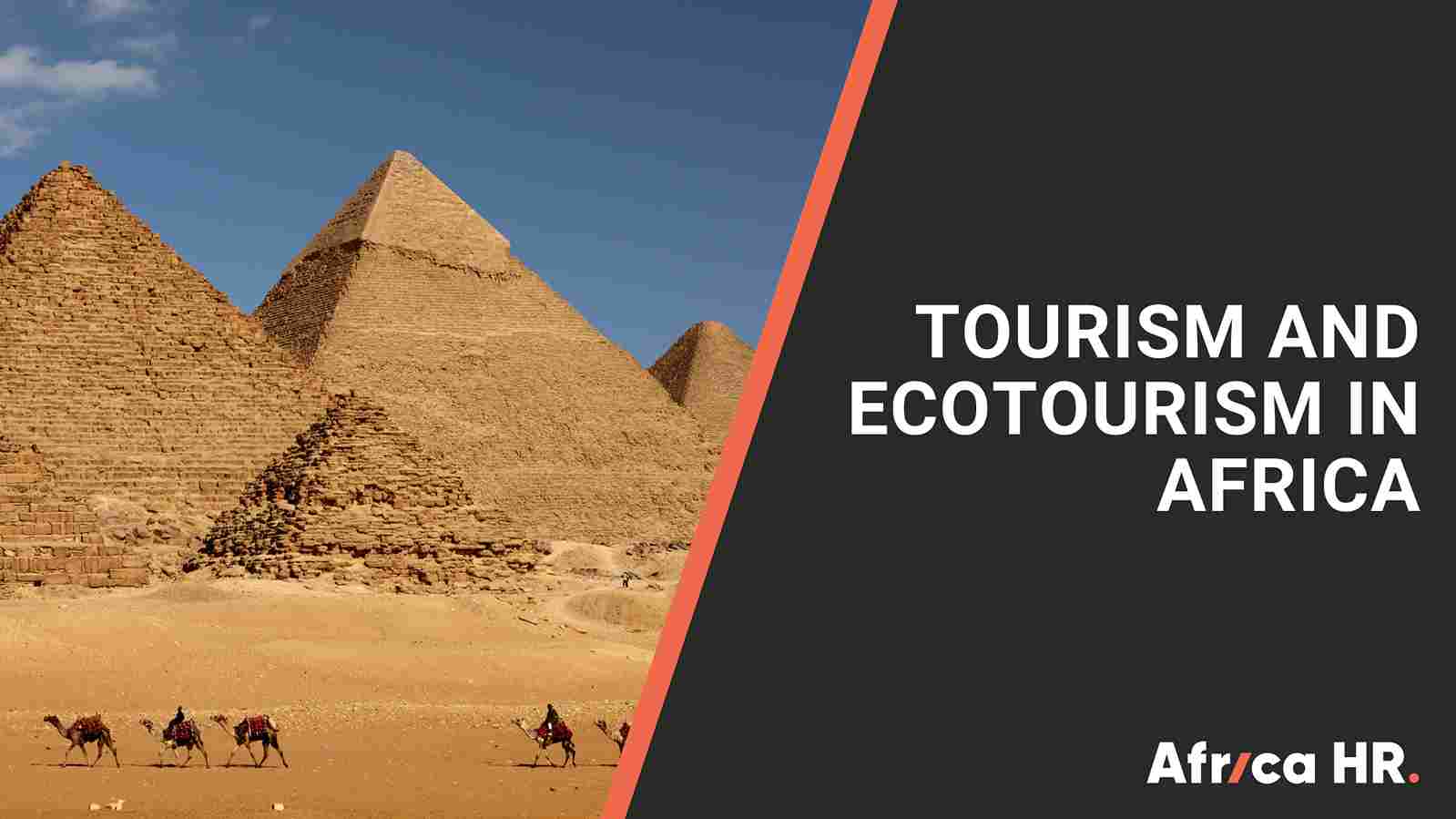
From Mt Kilimanjaro’s icy summits, to Kenya’s exciting savanna, to Egypt’s iconic pyramids and Mauritius’ white sand beaches, the continent holds different worlds in its palms. These are experiences that are exclusive to Africa. Nowhere else in the world can tourists experience them. Naturally, the rarer the resource, the more valuable it becomes, and the easier it becomes to market it.
Young and increasingly qualified workforce
Whether you are looking to expand in the hospitality sector, or the activities/entertainment sector within the tourism industry, your organisation will need qualified, local professionals. Interestingly, Africa’s population is currently booming, with projections showing that the continent will likely welcome 2 billion people by 2050. This young population is also increasingly qualified, and looking to get employed. As local experts, their understanding of the local culture and lived experience become valuable contributions that further enrich the experience provided to your guests.
Multilingual workforce to accommodate tourists
Across Africa, English and French are widely spoken. This represents a real advantage where the tourism industry is concerned, breaking down language barriers for tourists hailing from the west.
Egypt
The land of pyramids and pharaohs is a global heavyweight in cultural tourism and a regional leader in the industry. It has consistently ranked among the top 1 or top 2 most-visited destinations in Africa.
Egypt's tourism industry has seen a massive resurgence since the pandemic, reaching record highs of 19 million annual visitors and generating over $15 billion in revenue in 2025. As one of the country's main sources of foreign currency, it sustains nearly 3 million jobs. This comeback has emboldened the government to set an ambitious target: 30 million visitors by 2030.
The average tourist expenditure per night has, encouragingly, risen to $100, up from $85 in previous years.
Target Audience
Europeans make up the largest source market, projected to bring in over 10 million visitors, with a strong influx of visitors from the Middle East.
Morocco
From the white and blue alleys of Chefchaouen, to Marrakech’s souks, and its coastal towns, Morocco has a lot to offer to different travellers.
The Moroccan tourism industry is booming, welcoming a record 19.8 million visitors and generating over $13.5 billion in revenue. As Africa’s most visited destination, the sector contributes roughly 7% to the national GDP. The industry is also currently expanding rapidly in preparation for co-hosting the 2030 FIFA World Cup.
Morocco continues to break its own tourism benchmarks, with international arrivals surging nearly 14% year-over-year in 2024.
The Moroccan Central Bank projects tourism revenues will reach a record-setting 161 billion dirhams by 2027.
Areas of interest for tourism in Morocco
- Desert Eco-tourism: Sahara excursions, glamping, and desert tours.
- Sports & Leisure: Surfing (specifically in Taghazout), golf, and outdoor adventure.
- Culture & Heritage: Rabat has been positioned as a cultural hub, notably recognised as UNESCO's World Book Capital
South Africa
From “Big Five” spotting in Kruger National Park, to the Cape Winelands, and its 3,000 kilometres of natural coastlines for extreme water sports, South Africa has earned its spot in the list.
The country’s tourism sector has surged past pre-pandemic levels.
The industry contributes approximately 9% to the national GDP and supports up to 1.8 million direct and indirect jobs. Growth is primarily driven by regional African travellers and a strong resurgence in overseas markets for luxury safaris, wine tourism, and heritage experiences.
Visitor Arrivals
South Africa welcomed 10.5 million international tourists. The majority of arrivals (about 75%) are from neighbouring SADC (Southern African Development Community) nations.
Kenya
The birthplace of the traditional "safari", which also houses a vibrant city life and access to the Indian Ocean, Kenya leads in offering nature-centric experiences.
Tourism is a cornerstone of Kenya’s economy, contributing over $12.7 billion to the national GDP and supporting approximately 1.8 million jobs.
Areas of interest for tourism in Kenya
Safaris
Anchored by world-renowned reserves like the Maasai Mara, Amboseli, and Tsavo, the safari and Great Migration experiences remain the primary draw for international tourists.
Coastal Tourism
The Indian Ocean coastline, particularly around Diani Beach, Mombasa, and Watamu, serves as a major hub for both international leisure and domestic travellers.
MICE (Meetings, Incentives, Conferences, and Exhibitions)
Centred mostly in Nairobi, business travel is a massive growth area, currently representing a significant share of total tourism and hotel revenues.
Sustainable & Eco-Tourism
Kenya is a global leader in sustainable tourism, sourcing nearly 20% of its sector's energy from low-carbon alternatives, positioning it as an eco-conscious destination.
Mauritius
Sandy white beaches, a melting pot of cultures, and a tourist experience geared towards luxury make Mauritius a remarkable investment destination for tourism.
The Mauritian tourism industry is a vital pillar of the economy, accounting for about 10-14% of the nation's GDP. The island welcomes over 1.3 million visitors annually, primarily from Europe (France, UK, Germany) and Africa. Supported by luxury resorts, the sector drives major foreign direct investment and employs one in ten local workers.
Areas of interest for tourism in Mauritius
Medical & Business Travel
An emerging hub for specialised medical treatments and high-end MICE (Meetings, Incentives, Conferences, and Exhibitions) events.
Gastronomy
The island's diverse culinary influences, rooted in African, Indian, Chinese, and French heritage have captured the attention of tourists.
Uganda
Uganda’s tourism sector is a major economic driver, heavily contributing to GDP and employment while generating over US$1.62 billion in annual foreign exchange earnings.
The industry welcomed approximately 1.6 million international visitors in recent years, drawing tourists with a unique combination of mountain gorilla tracking, 10 national parks, and adventure activities like white-water rafting on the Nile.
Areas of interest for tourism in Uganda
Wildlife and Primates
Uganda is home to half of the world's endangered mountain gorillas. Tracking takes place primarily in Bwindi Impenetrable National Park and Mgahinga Gorilla National Park.
Adventure Tourism
Jinja, the source of the Nile, is a major hub for white-water rafting, kayaking, and bungee jumping.
Savannah Safaris
Parks like Queen Elizabeth, Murchison Falls, and Kidepo Valley offer traditional big-five game viewing, bird watching, and nature walks.
Africa's tourism sector is proving itself as far more than a post-pandemic recovery story. From Egypt's record-breaking visitor numbers to Mauritius' thriving luxury market, these countries show how varied and resilient the continent's offering has become.
Choose the right partner when expanding into the African tourism industry
For organisations looking to expand into hospitality, activities, or the broader tourism chain, this growth signals real opportunity. But entering these markets means navigating different labour laws, tax regimes, and employment practices across borders. This is where a partner with local expertise becomes valuable, helping businesses onboard compliantly and build teams quickly without needing to establish a legal entity in each country.
Africa HR Solutions’ EOR (employer of record) offer in Africa does precisely this. To find out how we can best help you, speak with one of our EOR consultants today.
Frequently Asked Questions
Which African country receives the most tourists
Morocco currently leads as Africa’s most visited destination, having welcomed a record 19.8 million visitors and generated over $13.5 billion in revenue.
Which areas of administration tend to be slowest?
Courts are the most consistent bottleneck. Enforcing contracts and resolving insolvency rank poorly almost everywhere, even in countries that perform well overall. Business registration and cross-border trade, by contrast, are areas where several African countries perform competitively by international standards.
How much does tourism contribute to Africa’s economy?
Male employees are entitled to 3 days of fully paid paternity leave, which must be taken within one month of the birth. The days can be taken consecutively or spread out, subject to agreement with the employer.
Why are these particular countries considered leaders in African tourism?
Egypt, Morocco, South Africa, Kenya, Mauritius, and Uganda each combine strong visitor numbers with distinct, hard-to-replicate offerings, from cultural heritage and safaris to luxury coastal experiences and adventure tourism.