


Inside Egypt’s Manufacturing Sector: Key Industries and Opportunities
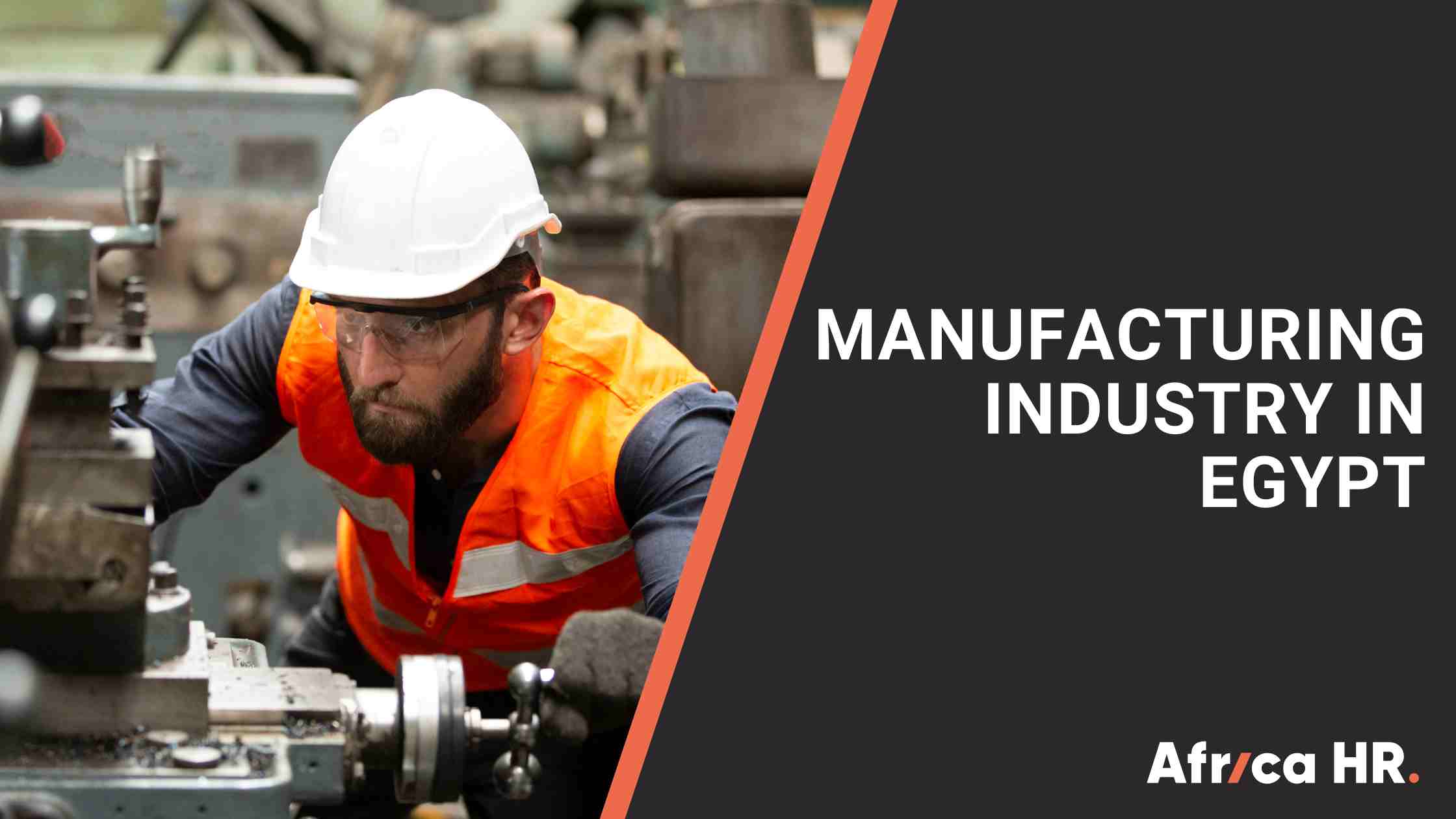
It is no exaggeration: Egypt has one of the largest and most diversified manufacturing sectors in Africa and the Middle East.
The country's strategic location, large workforce, and access to regional and international markets have helped make manufacturing a key pillar of its economy. Today, industries such as textiles, food processing, chemicals, and pharmaceuticals contribute significantly to Egypt's industrial output and employment.
Manufacturing remains an important driver of economic growth, attracting both domestic and foreign investment. As the government continues to promote industrial development, the sector is expected to play an even greater role in Egypt's future economic expansion.
Textiles & Garments Manufacturing in Egypt
The textile industry is one of Egypt's oldest and most important manufacturing sectors. Egypt is internationally recognised for its high-quality cotton, particularly long-staple cotton, which is used to produce premium fabrics and garments. The country’s textile industry is primarily concentrated in the Nile Delta and major urban centres like Greater Cairo and Alexandria. These hubs form the largest textile and cotton supply chain cluster in Africa, managing everything from spinning to garment export.
The sector includes spinning, weaving, dyeing, finishing, and garment manufacturing. Egyptian textile products are exported to markets across Europe, the Middle East, Africa, and North America. In recent years, the government has invested in modernising textile production facilities to improve competitiveness and increase exports.
The textile industry also provides employment to hundreds of thousands of workers, making it one of the country's largest industrial employers.
Food Processing & Agribusiness Manufacturing in Egypt
Food processing is another major component of Egypt's manufacturing sector.
Currently, Egypt’s agricultural industry accounts for approximately 11-14% of the country's GDP, employs roughly 25-30% of the labour force. It provides a significant volume of both domestic food supply and a surging flow of international exports.
Supported by a large agricultural industry, food manufacturers process a wide range of products including dairy products, fruit and vegetable preparations, sugar, edible oils, baked goods, and packaged foods.
Egypt's growing population continues to drive domestic demand for food products, while exports are expanding to regional and international markets. The country's location allows food producers to serve customers across Africa, Europe, and the Gulf region.
As consumer preferences evolve, many manufacturers are investing in modern production techniques, improved packaging, and higher food safety standards to remain competitive.
Chemicals Manufacturing in Egypt
Egypt has developed a substantial chemicals industry that supplies products for both domestic use and export markets. Egypt's chemical industry is a cornerstone of the nation’s manufacturing base, generating over $9.4 billion in annual exports.
The sector produces a broad range of products, including fertilisers, plastics, petrochemicals, paints, detergents, and industrial chemicals.
The availability of natural gas and petroleum resources has supported the growth of chemical manufacturing, particularly in petrochemicals and fertiliser production. Egyptian chemical products are exported throughout Africa, Europe, Asia, and the Middle East.
Ongoing investment in industrial zones and production facilities continues to strengthen the sector's contribution to the economy.
Pharmaceuticals & Healthcare Manufacturing in Egypt
The pharmaceutical industry is one of Egypt's most advanced manufacturing sectors. Egypt’s pharmaceutical industry is the largest in the MENA region, accounting for about 30% of the regional market and producing roughly 93% of its domestic medicine consumption by volume.
The sector produces generic medicines, over-the-counter products, vaccines, and specialised treatments. Local pharmaceutical companies operate alongside multinational manufacturers, creating a diverse and competitive market.
Government efforts to improve healthcare access, combined with a growing population, continue to support demand for pharmaceutical products. The industry is also exploring opportunities to increase exports to African and Middle Eastern markets.
Other Growing Manufacturing Sectors in Egypt
Beyond its traditional industries, Egypt is seeing growth in several other manufacturing areas. These include construction materials, automotive assembly, electronics, household appliances, and renewable energy equipment.
Industrial development programmes and infrastructure investments have encouraged manufacturers to establish operations in economic zones and industrial parks across the country. These initiatives aim to increase production capacity, create jobs, and attract international investors.
Opportunities and Challenges in Egypt
Egypt's manufacturing sector benefits from several advantages, including a large labour force, competitive production costs, access to raw materials, and trade agreements that provide entry to numerous international markets.
However, manufacturers also face challenges such as global economic uncertainty, supply chain disruptions, rising input costs, and increasing competition from other manufacturing hubs. Continued investment in technology, workforce development, and infrastructure will be important to maintaining long-term growth.
Looking Ahead
Manufacturing remains central to Egypt's economic development strategy. From textiles and food processing to chemicals and pharmaceuticals, the sector supports employment, exports, and industrial growth across the country.
As investment continues and production capabilities expand, Egypt is well positioned to strengthen its role as a leading manufacturing hub serving Africa, the Middle East, and global markets.
Choose an African EOR to expand into Egypt
Opportunity is real in Egypt.
But the combination of a fast-moving economy, a foreign regulatory environment, and strong competition for skilled workers means that getting the operational foundations right matters from the start.
Through our EOR solutions in Egypt, we support you from the very first steps of your business journey in Egypt. We offer you the speed, compliance, and local knowledge to onboard confidently in Egypt without the time and cost of building a local entity, so your focus stays where it belongs: on the business.
To find out more about how we can help you, chat with one of our consultants today.
Frequently Asked Questions
Why is manufacturing important to Egypt’s economy?
Manufacturing is a major contributor to Egypt’s economic growth, employment, and exports. The sector attracts both local and foreign investment and supports industries ranging from textiles to pharmaceuticals.
What are Egypt’s main manufacturing industries?
Egypt’s largest manufacturing sectors include textiles and garments, food processing and agribusiness, chemicals, and pharmaceuticals. Other growing industries include automotive assembly, electronics, construction materials, and renewable energy equipment.
Why is Egypt’s textile industry well known?
Egypt is internationally recognised for its high-quality long-staple cotton, which is used to produce premium fabrics and garments. The textile sector is also one of the country’s largest industrial employers and a significant exporter.
How large is Egypt’s pharmaceutical industry?
Egypt has the largest pharmaceutical industry in the Middle East and North Africa, producing most of the medicines consumed domestically. The sector manufactures generic medicines, vaccines, and specialised treatments for both local and export markets.
What challenges does Egypt’s manufacturing sector face?
Manufacturers face challenges such as supply chain disruptions, rising production costs, global economic uncertainty, and increasing international competition. Investment in technology, infrastructure, and workforce development remains key to future growth.