



Workplace Safety in Africa: What Employers Must Know Across 54 Countries
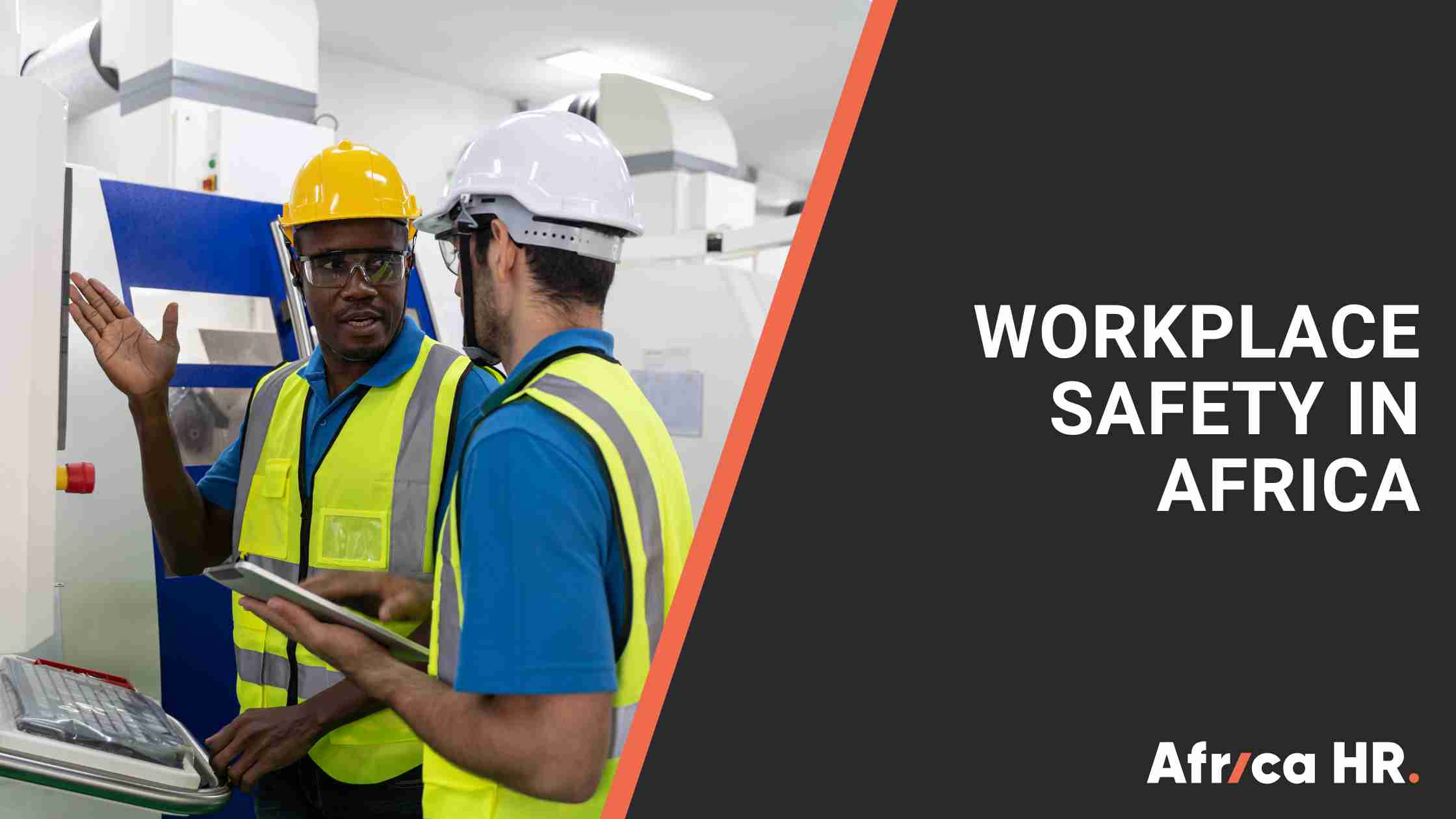
Workplace safety obligations vary significantly across Africa...but one requirement is consistent in every market: employers are legally responsible for the health and safety of their workers.
From mandatory risk assessments and PPE provision to safety committees and occupational health services, compliance in Africa can be a real burden.
The consequences of getting it wrong can include fines, facility closures, and criminal liability.
This guide offers information of an indicative nature. It is subject to change at any moment, non-exhaustive, and recounts key occupational safety requirements. Businesses and individuals should get professional advice before making any decisions.
|
Country |
Key occupational safety requirements |
|
|
Algeria |
Core employer requirements include:
|
|
|
Angola |
Occupational safety in Angola is governed by the General Labour Law and Presidential Decree 179/24, which mandate that employers provide safe, hygienic working conditions. Key requirements include mandatory workplace risk assessments, the provision of Personal Protective Equipment (PPE), comprehensive employee training, and the licensing of Occupational Safety, Hygiene, and Health (OSH) services. |
|
|
Benin |
Occupational safety in Benin is primarily governed by the Benin Labour Code and the National Occupational Safety and Health (OSH) Policy. Employers are legally required to conduct workplace risk assessments, provide adequate Personal Protective Equipment (PPE), and implement continuous safety training to prevent hazards and accidents, among other things. |
|
|
Botswana |
Occupational safety in Botswana requires employers to provide a safe, hazard-free work environment. Key regulations mandate documented Risk Assessments, proper Personal Protective Equipment (PPE), and formal accident reporting. Companies must establish written Health and Safety policies and actively train employees on emergency preparedness. |
|
|
Burkina Faso |
Occupational safety in Burkina Faso is primarily governed by the Labour Code and the country's General Regulation on Occupational Health and Safety, which align heavily with International Labour Organisation (ILO) standards. Compliance with occupational safety requirements encompasses the following key requirements, among others:
Employers must routinely conduct risk assessments to prevent occupational diseases and workplace accidents.
It is mandatory to provide free, appropriate Personal Protective Equipment (PPE) and adequate training on safe equipment operation.
Employers must ensure adequate sanitary installations, ventilation, lighting, and safe machinery maintenance.
Establishments must designate staff specialised in occupational safety. Companies with more than 50 workers generally require a joint Health and Safety Committee, while establishments with 20 or more employees are required to have an occupational physician.
The Ministry of Labour monitors workplace safety. Non-compliance can result in administrative fines or criminal liability. |
|
|
Burundi |
Burundian law mandates specific safety measures to protect employees across all industries, some of which include:
Employers are strictly legally liable for the occupational health and safety of their staff. This includes the provision, maintenance, and mandatory usage of appropriate PPE.
Employers must control physical hazards by providing adequate ventilation, lighting, and workspace. Additionally, they must implement measures to minimise exposure to dangerous vapours, dusts, or extreme temperatures.
Employers are required to provide necessary arrangements for first-aid, sanitary installations, drinking water, and rest/eating areas.
Regulations require employers to tackle psychosocial risks, including preventing violence and sexual harassment in the workplace, as well as mitigating the effects of repetitive or monotonous work |
|
|
Cabo Verde |
Occupational safety and health (OSH) in Cabo Verde is primarily governed by the Cabo Verdean Labour Code (Legislative Decree No. 1/2016) and enforced by the Occupational Health and Safety Institute (ISSO). Cabo Verde has also ratified core International Labour Organisation (ILO) conventions on OSH, committing to universal workplace safety standards. Some key occupational safety requirements for employers include:
Employers are legally required to provide a safe and healthy working environment, which includes supplying appropriate Personal Protective Equipment (PPE) and maintaining hazard-free facilities.
Workplaces must have clearly defined emergency and evacuation procedures. Certain high-risk sectors (like construction) require dedicated project Occupational Health and Safety Plans (OHSP).
Employees are legally obligated to obey safety directives, utilise provided safety gear, and report workplace hazards to their superiors.
|
|
|
Cameroon |
In Cameroon, occupational safety is governed by the Cameroon Labour Code (Law No. 92/007) and Order No. 039. Employers are legally mandated to provide safe working conditions, supply necessary Personal Protective Equipment (PPE), and establish worker health and committees for larger establishments. Key legal requirements include:
Under Section 95, employers bear the absolute responsibility for hygiene and safety in the workplace, encompassing workplace environment, equipment, and occupational risk prevention.
Specifies technical regulations regarding workplace ventilation, lighting, fire prevention, and general hygiene.
Cameroon ratified this Occupational Safety and Health Convention which requires the creation of national policies targeting hazard prevention and safety culture |
|
|
Central African Republic |
Occupational safety requirements in the Central African Republic (CAR) are governed by the national Labour Code and the ratification of fundamental international treaties like the ILO Occupational Safety and Health Convention. Employers are strictly required to protect the health and safety of their workers. Key employer obligations include:
Employers must ensure workers are informed of occupational risks, adequately trained, and provided with preventive instructions regarding the use of work equipment.
Providing and ensuring the proper usage of safety systems and personal protective equipment.
Maintaining a hazard-free workroom regarding ventilation, lighting, electrical safety, and exposure to harmful vapours or dust.
|
|
|
Chad |
Occupational Safety and Health (OSH) in Chad is governed primarily by the Chadian Labour Code. Employers are legally required to provide a safe and hygienic working environment, using adequate safety equipment and implementing technical and organisational measures to protect workers from accidents and occupational diseases. Under Chadian labour laws, employers bear strict responsibility for workplace safety, which includes but is not limited to the following:
Taking all necessary measures to protect the physical integrity, health, and life of workers.
Ensuring that workplaces, machinery, equipment, and work processes do not expose employees to undue risks.
Mandating the use of Personal Protective Equipment (PPE) and providing it at no cost to the worker.
|
|
|
Comoros |
Occupational safety in Comoros is governed by the national Labour Code and overseen by government authorities, heavily influenced by International Labour Organisation standards. Employers are strictly required to provide safe, sanitary working conditions, maintain protective equipment, and establish preventive programs for workplace risks. Key requirements include:
Employers must provide sanitary facilities, locker rooms, and adequate drinking water. They are also required to supply and ensure the use of all necessary protective devices, machinery guards, and personal protective equipment (PPE).
Workspaces must meet strict environmental guidelines regarding air quality, ventilation, lighting, and fire prevention. For sectors like food handling, hygiene and temperature control are highly regulated to minimize contamination risks.
Depending on the size of the establishment, employers must organize joint worker-management OSH committees to promote, prevent, and monitor safety systems. Larger establishments (often 20+ employees) may require specialised safety technicians, supervisors, or occupational physicians.
Employers must establish preventive programs that include active risk assessment, incident reporting mechanisms, and worker training.
Workers are legally obligated to follow all safety instructions and use the safety systems and protective gear assigned to them |
|
|
Democratic Republic of the Congo |
Occupational health and safety (OHS) in the Democratic Republic of the Congo (DRC) is primarily governed by the Labour Code (Loi n° 015/2002), which mandates that employers protect the physical and psychological health, safety, and dignity of workers. In addition to these domestic laws, the DRC has ratified key international treaties, including the ILO Occupational Safety and Health Convention, 1981 (No. 155). Employers are legally required to provide safe and hygienic working conditions and prevent occupational hazards. Key requirements include:
Ensuring machinery, equipment, work processes, and substances do not expose workers to danger.
Employers must guarantee access to medical care by either establishing an on-site medical facility or partnering with an external healthcare provider.
Standard working hours are capped at 8 hours per day and 45 hours per week. Anything beyond this is classified as overtime and must be compensated at a higher rate |
|
|
Republic of the Congo |
Occupational safety requirements in the Republic of the Congo (Congo-Brazzaville) are primarily governed by the Labour Code (Loi n°45-75 as modified) and supplemented by the Social Security Code (Loi n° 004/86). These legal frameworks place strict legal obligations on employers to guarantee a safe, hygienic, and hazard-free work environment for all employees. Key occupational safety and health (OSH) requirements include:
Employers are legally obligated to take all necessary measures to prevent occupational risks, protect the physical and mental health of workers, and ensure that workplaces, machinery, and processes present no danger.
Every enterprise or establishment must provide a medical or health service for its employees. Employers must either establish on-site medical facilities or form an agreement with approved external healthcare providers to guarantee medical coverage and regular health surveillance.
Workplaces must be kept in a constant state of cleanliness and provide necessary sanitary installations, drinking water, and safe conditions. Employers are also required to provide appropriate Personal Protective Equipment (PPE) at no cost to the worker.
Employees have the right to be informed about workplace risks and are protected by law if they withdraw from an imminently dangerous situation. Workers also have the duty to comply with OSH instructions and utilize their assigned safety systems.
Employers must be affiliated with the National Social Security Fund (CNPS - Caisse Nationale de Prévoyance Sociale). This guarantees workers' compensation and provides coverage in the event of an occupational accident or illness. |
|
|
Côte d'Ivoire |
Occupational safety and health (OSH) in Côte d’Ivoire is primarily governed by the Labour Code (Loi n°2015-532) and supervised by the Ministry of Employment and Social Protection (MEPS). Employers must legally protect workers' physical and mental well-being. Key occupational safety requirements include:
Employers must evaluate workplace hazards and take proactive preventive measures.
Companies are required to establish an Occupational Health and Safety Committee. Under Décret n°2020-955, this committee is mandatory for all establishments with more than 50 employees.
Organisations must provide access to a company doctor, ensure annual health checks, and maintain sanitary and first-aid facilities.
Employers must provide adequate, free PPE to workers and strictly enforce its usage.
Maximum legal workweeks are set at 40 hours for general work, 44 hours for non-agricultural roles, and 48 hours for agricultural jobs.
Pregnant employees cannot be required to perform duties detrimental to their health, and minimum age/hazardous work regulations strictly protect minors. |
|
|
Djibouti |
Occupational safety and health (OSH) in Djibouti is primarily governed by the Djibouti Labour Code of 2006 and the National Social Security Fund (CNSS). Employers are legally obligated to provide a safe work environment, supply Personal Protective Equipment (PPE), and implement specific preventative measures to avoid accidents and health hazards. Key Legal Requirements & Employer Obligations include:
Employers must maintain safe working premises, ensuring adequate ventilation, fire escape routes, and appropriate lighting.
It is the employer's duty to provide and enforce the usage of necessary safety equipment, such as helmets and gloves.
Specific decrees regulate the transport, labelling, and handling of dangerous chemicals. The import and use of asbestos are explicitly banned in the country.
Employers must provide sanitary installations, drinking water, and rest areas. |
|
|
Egypt |
Occupational safety in Egypt is governed by Labour Law No. 14 of 2025 and Labour Law No. 12 of 2003, which mandate employers to provide safe, hazard-free workplaces, proper Personal Protective Equipment (PPE) at zero cost to workers, and comprehensive safety training. Compliance is enforced by the Ministry of Labour alongside the Ministry of Industry, with stricter powers for authorities to halt operations during imminent danger. Under Egyptian law, employers are legally obligated to:
Employers must supply personal protective equipment at no cost to the workers.
Regular, documented safety and hazard recognition training is strictly required.
Employers must ensure regular medical examinations for staff in industrial activities and those exposed to specific hazards.
Workplaces must meet strict spatial, ventilation, and lighting standards, with adequate access to drinking water, first aid, and sanitary installations. Enforcement & Inspections The Egyptian Ministry of Labour houses the central administration for Occupational Safety and Health, deploying field inspectors with legal authority to enter and inspect workplaces, take substance samples, and halt unsafe operations. Government initiatives also include the use of electronic platforms to track factory compliance. |
|
|
Equatorial Guinea |
Occupational safety in Equatorial Guinea is governed primarily by the national Labour Law and supervised by the competent labour authorities. Employers bear all financial and operational responsibility for implementing risk prevention measures, providing mandatory protective equipment, and ensuring safe working environments at no cost to the workers. Some key legal requirements and compliance obligations include:
Employers must evaluate, prevent, and actively fight against workplace risks, accidents, and diseases. Workers must not be exposed to any physical, chemical, biological, or environmental hazards without prior warning and proper preventive training.
Companies must provide medical examinations for workers at least every six months, at the expense of the employer. Depending on the risk level and workforce size, establishments may be required to employ a dedicated occupational physician.
Employers are required to form specialised vocational safety and health teams, which scale based on the number of workers. Establishments with 20 or more workers must have a full-time technician, and committees are required for facilities with 51 to 500 employees.
Employers must provide appropriate protective clothing and equipment to prevent accidents and adverse health effects as far as reasonably practicable.
Practical safety and health training must be provided upon employment, when job duties change, or when workers are introduced to new substances or techniques. |
|
|
Eswatini |
The legal framework and its requirements are managed by the Ministry of Labour and Social Security and entail the following core components: Primary Legislation
The overarching law establishing safety committees, hazard identification protocols, incident reporting, and the appointment of OSH inspectors.
Regulates structural safety, machinery hazards, and specific construction site requirements.
Ensures financial coverage and medical care for employees who suffer occupational injuries or diseases. Employer Responsibilities
Employers must routinely assess risks and eliminate or minimise hazards.
Appropriate Personal Protective Equipment must be supplied to employees free of charge.
Workers must be trained on safety protocols, including infection control and first-aid.
All occupational injuries and diseases must be immediately reported and documented. Recent Policy Enhancements
Emphasises mental health, non-discrimination, the prevention of workplace violence and harassment, and the inclusion of persons with disabilities or HIV.
Eswatini has drafted targeted rules like the Occupational Safety and Health (Construction) Regulations to address high-risk industries |
|
|
Ethiopia |
Occupational Safety and Health (OSH) in Ethiopia is primarily governed by the Labour Proclamation No. 1156/2019 and enforced by the Ministry of Labour and Social Affairs (MoLSA). These regulations place strict legal obligations on employers to guarantee safe, healthy working conditions for all workers. Key obligations include:
Supply adequate Personal Protective Equipment (PPE) and clothing and instruct workers on their proper use.
Train workers on occupational hazards related to their specific roles and safe work procedures.
Create a bilateral Occupational Safety and Health Committee made up of both worker and employer representatives to routinely inspect the workplace and monitor safety standards.
Designate a dedicated safety officer to oversee hazard management and compliance.
Notify the local MoLSA office immediately regarding any workplace injuries or occupational diseases. Worker Obligations In Ethiopia, employees are also legally required to contribute to workplace safety. Workers must:
|
|
|
Gabon |
Some key employer obligations include:
Employers must actively evaluate workplace risks, control exposure to hazardous vapours/dust, and maintain safe electrical and mechanical installations.
It is the employer's duty to provide adequate Personal Protective Equipment (PPE) and enforce its correct usage.
Workplaces must be equipped with first-aid facilities, clean sanitary installations, and safe drinking water. Staff and Committee Thresholds The Gabonese regulatory framework requires specialised safety representation depending on the total headcount of your establishment:
Establishments must designate a full-time safety technician and provide an occupational physician.
Companies must form a functional Joint Committee on Occupational Safety and Health (OSH Committee).
A specialised safety supervisor must be appointed.
The workplace requires a comprehensive, specialised vocational safety and health staff |
|
|
Gambia |
Some key occupational safety and health (OSH) requirements in The Gambia include:
Employers must identify workplace hazards, conduct risk assessments, and supply appropriate safety gear (e.g., helmets, boots, and reflective vests) in high-risk sectors like construction and manufacturing.
Newly hired or transferred workers must receive comprehensive safety training before starting work, with regular follow-up training provided.
Workplaces must maintain clean drinking water, handwashing facilities, and sanitation.
Employers in sectors with specific health risks (e.g., healthcare, chemical handling) must arrange for routine health monitoring and medical examinations for employees.
Serious occupational injuries or accidents must be reported promptly to the Ministry of Employment and other competent authorities.
The Workers' Compensation Act requires employers to provide financial safeguards for employees in the event of workplace injuries or accidents. |
|
|
Ghana |
Under Part XV (Sections 118–121) of the Labour Act, employers are legally obligated to:
Ensure the workplace, machinery, and systems of work are safe, healthy, and hazard-free.
Prevent workplace contamination by dangerous gases, dust, fumes, or other harmful substances.
Supply appropriate Personal Protective Equipment (PPE), safety devices, and fire-fighting tools at no cost to the worker.
Provide workers with the necessary information, instructions, and training to safely operate machinery and handle substances. |
|
|
Guinea |
Key Employer Responsibilities
All facilities, equipment, and machinery must be properly maintained and guarded with partitions or protective barriers to prevent accidental contact with moving parts.
Employers must provide appropriate PPE (e.g., hard hats, harnesses, respirators) and ensure that workers are trained and actually using them.
Companies exceeding 20 employees must designate an occupational physician or organize an occupational medical service.
Facilities must be equipped with adequate drinking water, sanitary installations, and resting areas. Specialised Committees & Staffing The scale of your operations dictates the specific safety and health personnel required by law: · 20 or more employees Employers must retain a full-time safety technician.
A formal Vocational Safety and Health Committee must be established.
A specialised safety supervisor is required. Sector-Specific Requirements (Mining) Given Guinea’s major mining sector, heavy industrial and extraction projects require an Environmental and Social Impact Study prior to operations. Operators must include a comprehensive care, health, and safety plan within their Environmental and Social Impact Assessment (ESIA). |
|
|
Guinea-Bissau |
Key occupational safety and health (OSH) requirements in Guinea-Bissau include:
Employers are tasked with methodically identifying workplace hazards and implementing risk-control measures to prevent injuries.
The national Labour Code dictates general protections against workplace hazards, outlines fair treatment, and restricts specific high-risk tasks (such as certain underground works) to protect employee health.
Employers must provide appropriate protective clothing and gear to workers operating with dangerous machinery or in hazardous environments.
Workplaces must maintain emergency response protocols to safely manage Project/Facility risks, including fires and other crises.
Oversight is led by the Ministry of Civil Service, State Reform, Labour and Social Security. |
|
|
Kenya |
Core Employer Duties
Employers must register their workplaces with the local DOSH office before beginning operations.
Occupiers must conduct formal risk assessments to identify hazards and implement preventive measures.
Organisations with 20 or more employees must draft, maintain, and display a written safety policy.
Employers must provide ongoing worker safety training and ensure employees exposed to hazardous environments undergo routine medical check-ups. 2. Safety Equipment & Facilities
Workplaces must maintain fully stocked, accessible first aid boxes and clearly marked fire exits.
Employers must provide appropriate, high-quality, and properly fitted protective gear (e.g., hard hats, high-visibility jackets, steel-toe boots) at no cost to the employee.
Every chemical in the workplace must have a Safety Data Sheet (SDS), and labels must be easily understood by workers. 3. Reporting & Accountability
Employers are legally required to report any workplace accidents, injuries, or occupational diseases to DOSH.
Failure to conduct risk assessments or provide a safe workplace can result in hefty fines (up to Ksh 500,000), imprisonment, or facility closure. |
|
|
Lesotho |
The legal framework establishes strict obligations for workplace safety across the country:
Employers must maintain a safe workplace, provide adequate training, and supply appropriate Personal Protective Equipment (PPE) free of charge.
Workplaces must form safety committees to monitor compliance and act as a channel for employees to voice concerns.
Workers are granted the right to refuse dangerous work without fear of retaliation from management.
Employers are legally required to maintain records of all workplace injuries and illnesses, and investigate the root causes to prevent future occurrences.
Government-appointed labour inspectors have the authority to inspect sites, issue compliance orders, and penalize establishments for violations. |
|
|
Liberia |
Key occupational safety requirements for businesses in Liberia include, but are not limited to:
Employers must regularly evaluate the workplace to identify hazards, assess their risks, and implement preventive control measures.
Workplaces must provide appropriate, appropriately-sized Personal Protective Equipment (PPE) to workers at no cost when the nature of the job poses inherent risks.
Industrial and high-risk work environments (such as construction, mining, and agriculture) are mandated to have designated safety officers to ensure strict compliance. Employers must also provide regular safety training and hazard communication to all workers.
Workplaces must maintain fire safety equipment (extinguishers), clear emergency evacuation routes, and execute regular evacuation drills.
Employers must provide adequate lighting, ventilation, basic sanitation, rest areas, and first-aid supplies to ensure general worker welfare. |
|
|
Libya |
Key Legal Obligations for Employers
Employers are required to maintain workplaces that prevent risks to workers' health and safety.
Management must provide appropriate PPE at no cost to the worker and enforce its correct usage.
Employers are obligated to provide first-aid facilities, drinking water, and sanitary installations.
Any workplace accident that results in a fatality or prevents an employee from working must be reported in writing to the competent employment office within 48 hours |
|
|
Madagascar |
Key Legal Requirements & Employer Obligations
Employers are legally required to maintain safe, hygienic, and well-ventilated workspaces. This includes ensuring adequate lighting, safe machinery, and proper disposal of hazardous waste.
Employers must provide appropriate personal protective equipment (PPE) and clearly communicate workplace hazards.
Businesses are required to facilitate access to health services for their employees, including seasonal and temporary workers.
Since Madagascar’s ratification of International Labour Organisation (ILO) Conventions on OSH (Nos. 155, 161, and 187), the country has aligned its regulatory frameworks closer to global standards. |
|
|
Malawi |
Compliance with Malawi’s labour laws requires implementing several strict facility and operational standards:
Workplaces must supply adequate, clean, and separate sanitary conveniences for each sex. Employers must also provide clean drinking water, change rooms, and designated seating.
Workspaces require sufficient natural or artificial lighting and adequate drainage for wet processes.
Industrial equipment (such as steam boilers, air compressors, and lifting machinery) must be regularly registered and examined by DOSH inspectors.
The standard workweek is capped at 48 hours, excluding overtime. Employees are also entitled to paid sick leave and maternity leave.
Under the Malawi Employment Act, discrimination based on age, sex, or disability is prohibited, and child labour under the age of 14 is strictly outlawed |
|
|
Mali |
Key employer obligations include:
Employers must provide appropriate PPE free of charge, ensure it is properly maintained, and train workers on how to use it.
Employees cannot be required to operate machinery or equipment without the necessary safety and protective devices.
Employers are legally responsible for ensuring proper ventilation, lighting, sanitary facilities, and taking measures to eliminate exposure to harmful vapours or dust. 2. Specialised Personnel Requirements Depending on the size and scope of your operations, Malian law requires specific safety and medical staff on-site:
Required for establishments with 20 or more employees.
Required full-time for establishments with 20 or more workers; specialised supervisors are required for 201 to 500 workers.
Internal accident prevention committees, consisting of an equal number of employer and worker representatives, are required for establishments with 51 to 200 workers. |
|
|
Mauritania |
Key employer obligations include:
Employers must evaluate workplace hazards and take proactive steps to eliminate them at the source.
Companies are required to provide workers with adequate Personal Protective Equipment (PPE) and training on how to use it.
Depending on the industry and number of employees, businesses must form internal Health and Safety Committees to monitor working conditions.
Employers must provide comprehensive information regarding the specific hazards of the job.
Employers are responsible for covering day-to-day sickness and injury compensation for workers (for up to 6 months) |
|
|
Mauritius |
Key employer responsibilities include:
Employers are legally required to perform formal risk assessments to identify workplace hazards and implement necessary safety controls.
Depending on the size and nature of the workforce, companies must hire registered Safety and Health Officers. If machinery power exceeds 750 kilowatts, a Registered Professional Engineer must be placed in charge.
Businesses require a valid fire certificate from the Mauritius Fire and Rescue Service. Workplaces must have adequate fire extinguishers and at least two distinct means of escape.
Employers must ensure basic sanitary facilities, adequate drinking water, and, where applicable, safe lodging accommodations for employees.
All workplace accidents, occupational diseases, and dangerous occurrences must be formally recorded and reported. |
|
|
Morocco |
Regular evaluations must be conducted to identify potential workplace hazards and minimise their impact.
Employers must ensure machinery and workstations meet strict safety standards to prevent accidents and occupational illnesses.
Clear, accessible, and multilingual (or visual/iconic) safety signs must be posted. Proper protective equipment must be issued and enforced for hazardous tasks.
Employers are responsible for preventing workplace harassment, violence, and undue stress.
Workers have the right to refuse to work in conditions they deem unsafe for their health or safety without fear of reprisal. Medical and Health Services
Companies are required to establish internal occupational health services or partner with regional centres to monitor employee well-being.
Regular medical check-ups are mandatory, particularly for employees exposed to specific health risks. |
|
|
Mozambique |
Mandatory Employer Requirements
Employers must identify occupational hazards and assess the severity and likelihood of accidents or illnesses.
Engineering, operational, or administrative controls must be put in place to mitigate identified risks.
Employers must supply, replace, and enforce the use of required safety gear. For example, in construction, this includes helmets, safety belts, and waterproof suits. In mining, it includes breathing apparatuses and flashlights.
Comprehensive training and information on safety procedures, emergency protocols, and hazard awareness must be provided at all levels.
Depending on the size of the company, organisations are required to facilitate internal hygiene, health, and safety committees. |
|
|
Namibia |
Namibian legislation outlines specific obligations aimed at protecting the physical, mental, and social well-being of all employees:
Employers must regularly evaluate the workplace to identify health hazards (e.g., machinery, chemicals, noise) and implement appropriate control measures.
Employers are required to provide appropriate, well-maintained Personal Protective Equipment (PPE) free of charge. This includes items like hard hats, steel-toed boots, goggles, gloves, and respirators.
All machinery and energy sources must be equipped with safe protective devices and properly isolated during maintenance.
Workplaces must be maintained in a clean, hygienic condition. This includes providing proper ventilation, safe floors, and adequate welfare facilities such as first aid, restrooms, and drinking water.
Employers must provide comprehensive safety training so workers can recognise hazards, utilise safety appliances, and understand emergency procedures. |
|
|
Niger |
Core occupational health and safety (OSH) requirements and responsibilities in Niger include:
Employers must organize prevention formally and proactively evaluate risks in the work environment.
Employers are mandated to provide adequate, job-specific PPE and ensure employees are trained on its use and maintenance.
Workplaces must be properly ventilated and equipped with basic necessities, including sanitary installations, potable drinking water, and safe eating/rest areas.
Employers must organize routine health surveillance for workers, particularly in environments exposed to specific hazards.
Work-related accidents and occupational diseases must be recorded, investigated, and reported to the labour inspectorate. |
|
|
Nigeria |
Key employer requirements include: To maintain a legally compliant workplace in Nigeria, employers must ensure:
Hazard controls and safety procedures are implemented and regularly reviewed.
Adequate PPE (helmets, gloves, goggles, and respiratory equipment) is provided and correctly used for specific job risks.
Clear emergency response plans, including first aid, fire exits, and safety drills, are in place.
Proper waste disposal, safe drinking water, and washing facilities are available to all staff. |
|
|
Rwanda |
Key employer requirements include:
Identify and document potential health and safety hazards in the workplace.
Supply adequate, appropriate PPE and decide on necessary protective measures at no cost to the worker.
Engage workers and/or their representatives in health and safety discussions.
Provide safe drinking water, proper ventilation, and separate rest/dressing rooms if both men and women are employed. |
|
|
Sao Tome and Principe |
Under São Tomé and Príncipe's employment laws, employers have several specific legal responsibilities:
Ensure workers are not exposed to hazardous physical, chemical, or biological conditions without being informed of the risks and trained on how to avoid them.
Provide adequate, free-of-charge safety garments (such as protective footwear and gear) and deny workplace access to anyone failing to wear them.
Highly prioritise and adapt work conditions for vulnerable groups, specifically pregnant employees, recent mothers, and nursing workers.
Design and maintain the workplace, machinery, and lifting/transport equipment to eliminate potential health and safety risks to employees. |
|
|
Senegal |
Under Senegalese regulations, employers must fulfill several actionable duties:
Identify potential workplace hazards and document preventive measures.
Provide compliant, maintained machinery, and install necessary protective devices.
Supply and enforce the usage of appropriate personal protective equipment.
Ensure workers are trained to identify dangers, implement protective measures, and respond correctly in the event of an emergency or accident.
Maintain adequate first-aid facilities, drinking water, and sanitary installations on site. |
|
|
Seychelles |
Key employer requirements include: · Maintain a Safe Environment Ensure that the workplace, machinery, and equipment are safe and without risk to health. · Provide Protective Equipment Assess, provide, and enforce the use of adequate Personal Protective Equipment (PPE) where hazards cannot be avoided. · Welfare Facilities Ensure adequate sanitary installations, a safe supply of drinking water, and designated rest/eating areas. · Handle Substances Safely Prevent or control the emission of noxious gases, smoke, grit, and dust from premises. |
|
|
Sierra Leone |
· General Duty of Care Employers are obligated to provide a safe, hazard-free working environment and institute necessary safety measures to protect employees. · Machinery & Plant Inspection Industries and factories must submit to mandatory bi-annual or annual inspections of dangerous plants and machinery by the Factory Inspectorate. · Protection from Discrimination Employees are legally protected from retaliatory adverse treatment (such as termination or demotion) if they lodge a complaint about health and safety issues. · Worker Responsibilities Employees are legally required to comply with safety procedures, appropriately use provided protective equipment, and report hazards or injuries to their supervisors immediately. · Special Employment Conditions The Employment Act 2023 mandates equal opportunities, prohibits sexual harassment, and enforces special protective working conditions for interns, apprentices, and persons with disabilities. |
|
|
Somalia |
Key OHS obligations for businesses in Somalia include:
Employers must conduct risk assessments, identify hazards, and track worker health to mitigate potential dangers.
Employers must supply and enforce the usage of appropriate PPE, ensure sanitary installations, provide safe drinking water, and maintain organized break areas.
Every undertaking regularly employing more than 10 workers at a single centre must maintain a fully stocked first-aid chest.
Establishments with 20 or more workers must have an occupational physician, and companies with 51 to 200 workers must form a dedicated Vocational Safety and Health Committee.
Employers must immediately notify the competent Labour Inspectorate of all workplace accidents resulting in injury or death, as well as any occupational diseases.
Workplaces must display safety obligation notices and visual hazard signs, ensuring staff receive regular instructions and training to prevent industrial accidents. |
|
|
South Africa |
Employers are legally required to do everything "reasonably practicable" to protect their workforce. Key compliance requirements include:
Conducting regular hazard identification and implementing appropriate control measures.
Maintaining an up-to-date Health and Safety File containing appointment letters for safety reps, risk assessments, training records, and incident logs.
Providing necessary Personal Protective Equipment (PPE) at no cost to the employee and conducting mandatory safety training.
Notifying the Department of Employment and Labour (DoEL) of any serious workplace injuries or incidents. |
|
|
South Sudan |
Key compliance requirements include:
Employers must maintain physical workspaces, machinery, and equipment in safe operating conditions.
Employers are strictly required to provide necessary protective clothing and equipment free of charge.
Employers must provide adequate safety information, proper training, and consultation for employees regarding all workplace risks.
Workplaces must be equipped with first-aid facilities, access to drinking water, and sanitary installations. Employee Rights & Protections
Employees have the right to immediately step away from hazardous situations. Employers cannot dismiss or take disciplinary action against a worker who departs from a hazardous environment.
Workers are expected to stop operations and evacuate immediately if there is a serious, imminent danger to health or safety. Sector-Specific Regulations
In addition to the Labour Act, industries like oil and gas must adhere to the Petroleum HSE Regulations (2015) |
|
|
Sudan |
Employers are legally obligated to meet the following requirements, among others:
Employers must take necessary precautionary measures to protect workers from accidents and diseases.
Free and appropriate Personal Protective Equipment (PPE) must be provided and utilized on-site.
Workplaces must be equipped with first-aid arrangements, adequate sanitary installations, drinking water, and rest areas.
|
|
|
Tanzania |
To maintain a compliant and legally operating workplace in Tanzania, employers must adhere to the following core mandates:
Employers are legally required to register their workplaces with OSHA and hold a valid Certificate of Registration.
A comprehensive Occupational Safety and Health (OSH) risk assessment must be conducted at the workplace at least once a year.
Businesses must draft, document, and implement a formal OSH policy.
Employers must supply appropriate PPE to workers at no cost and ensure that it is actively used.
Workers' fitness for duty must be verified through regular medical examinations.
Workplaces must designate Safety and Health Representatives and first-aiders. These individuals must receive approved training and certification from OSHA.
Employers must maintain proper sanitation, adequate ventilation, proper lighting, and first-aid facilities, while also displaying safety signs and information in accessible locations. |
|
|
Togo |
Key OSH requirements include:
Employers must take all necessary measures to protect the life, safety, and health of their staff. This entails proper facility organisation, maintaining machinery, and ensuring work processes do not expose workers to risks.
Employers must supply and enforce the use of required Personal Protective Equipment (PPE). Workers cannot be required to operate equipment without the necessary protective devices.
Depending on the size of the establishment, companies are required to establish joint Health and Safety Committees or internal accident prevention committees (CIPA) to promote safety and monitor working conditions.
For new or large-scale operational activities, employers must conduct a Job Hazard Analysis to identify workplace hazards and outline mitigation strategies.
Employers are legally required to manage occupational hazards, with specific provisions outlined in the Social Security Code to ensure coverage for work-related accidents and diseases. |
|
|
Tunisia |
Core Regulatory Framework & Obligations
Contains dedicated chapters (especially Book III) outlining medical inspections, occupational medical services, and safety protocols for hazardous, unhealthy, or inconvenient establishments.
Employers must evaluate workplace hazards, provide appropriate Personal Protective Equipment (PPE) at no cost, and ensure adequate ventilation, lighting, and emergency exits.
High-risk sectors such as construction and public works are subject to heightened scrutiny and harmonized OSH training requirements.
The Labour Code has specific provisions prohibiting women and minors from working in jobs deemed excessively hazardous or toxic. Mandatory Safety Structures
Enterprises meeting specific size and risk thresholds are required to establish internal Health and Safety Committees to monitor conditions and propose preventive measures.
Appointing a designated, trained safety manager is mandatory for high-risk businesses.
Employers must either employ an on-site occupational physician or affiliate with an inter-enterprise medical service to conduct routine employee health monitoring. Compensation and Insurance
|
|
|
Uganda |
General Duties of Employers
Employers are required to maintain a workplace free from recognized hazards that can cause injury or illness.
Annual risk assessments must be conducted to identify potential biological, ergonomic, chemical, and physical hazards.
Employers must implement medical surveillance and health-monitoring systems for workers exposed to specific occupational hazards. 2. Safety Committees & Representatives
Every workplace is mandated to establish a safety and health committee.
Employers must designate specific safety and health representatives to voice employee concerns. 3. Training and Certification
Comprehensive health and safety training must be provided to workers regarding their specific job functions and hazard mitigation.
Operators of machinery, electrical installations, and lifting equipment must possess certified, up-to-date training. 4. Welfare and Medical Provisions
Workplaces must provide adequate sanitary installations, drinking water, first-aid stations, and rest areas.
Requirements now broadly include disease outbreak management, wellness, rehabilitation programs, and mental health support for employees.
It is the employer's responsibility to provide adequate and suitable Personal Protective Equipment free of charge whenever hazardous work is performed or exposure limits are exceeded. 6. Audits and Inspections
Employers must conduct routine and annual workplace safety and health audits.
The Ministry of Gender, Labour and Social Development (MGLSD) carries out statutory inspections and enforces compliance. |
|
|
Zambia |
Compliance in Zambia involves several strict, legally binding requirements:
Every employer, regardless of workforce size, must implement a written health and safety policy, signed by the CEO (or equivalent), and displayed prominently.
Workplaces are required to establish joint Health and Safety Committees that include both employer and employee representatives.
The law requires pre-placement, in-employment, and exit medical examinations. Employees in high-risk environments must have valid medical certificates.
Employers must proactively report employee ill-health or work-related absences to the Occupational Health and Safety Institute (OHSI).
Employees are protected from victimisation or dismissal for raising safety concerns or serving on safety committees.
Employers must conduct annual health and safety audits and ensure machine operators and staff receive certified safety training.
Authorised officers can conduct unannounced inspections, shut down non-compliant or hazardous workplaces, and impose personal liability on senior officers and directors if offences occur with their knowledge. |
|
|
Zimbabwe |
Employers must adhere to the following, among others, to remain legally compliant:
Proactively identify, evaluate, and control workplace hazards.
Maintain permit systems for high-risk operations (e.g., confined spaces, working at heights, handling chemicals).
Supply appropriate Personal Protective Equipment (PPE) at no cost to the employee, and ensure its usage is strictly enforced.
Educate workers on safety procedures. Employers are often required to have staff trained in foundational occupational health and safety (such as the OSHEMAC certification overseen by NSSA).
Establish workplace health and safety committees for regular oversight and worker participation. |
|
Africa HR Solutions operates across 46 African countries, with in-country expertise to help you meet local occupational safety obligations through our African Employer of Record (EOR) offer.
Get in touch to find out how we can support your compliance needs across the continent.
Frequently Asked Questions
What occupational safety obligations apply to employers across Africa?
While requirements vary by country, employers across Africa are broadly required to: • Conduct workplace risk assessments • Provide appropriate personal protective equipment (PPE) free of charge • Deliver safety training to employees • Maintain adequate welfare facilities such as drinking water and sanitation • Report workplace accidents to the relevant authorities Most countries also require employers to have a written health and safety policy in place.
How quickly can an EOR get workers hired and on payroll in a new African market?
Timelines vary by country, but a well-established EOR can typically onboard workers in a new African market within a couple of weeks. This is significantly faster than the process of registering a local entity, which can take several months and even years in many jurisdictions.
Do employers need to establish a health and safety committee?
In most African countries, yes, though the threshold varies. Many jurisdictions require a formal health and safety committee once a workforce reaches a certain size, commonly 20, 50, or 51 employees depending on the country. Countries including South Africa, Kenya, Tanzania, Uganda, Zambia, and Zimbabwe all mandate some form of committee or worker safety representation.
What happens if an employer fails to meet occupational safety requirements?
Penalties vary by country but can be severe. Consequences include administrative fines, suspension of operations, criminal liability for senior officers, and in some jurisdictions, imprisonment. In Kenya, for example, non-compliance can result in fines of up to Ksh 500,000. Zambia allows authorised officers to impose personal liability on directors where offences occur with their knowledge.
Are there additional requirements for high-risk industries?
Yes. Sectors such as construction, mining, oil and gas, and chemical handling are subject to heightened obligations in many countries. These can include mandatory environmental and social impact assessments, sector-specific safety plans, dedicated safety officers on site, and additional licensing or certification requirements for machinery operators. Countries with significant mining activity, such as Guinea and Zambia, have particularly detailed sector-specific frameworks.
How does occupational safety compliance work when hiring across multiple African countries?
Each country has its own regulatory framework, enforcement body, and compliance thresholds, which makes multi-country hiring complex. Requirements around safety committees, medical examinations, accident reporting, and staffing ratios all differ. Working with an employer of record with in-country expertise across Africa can help ensure that local obligations are met without the need to establish a legal entity in each market.
You may also be interested in:


